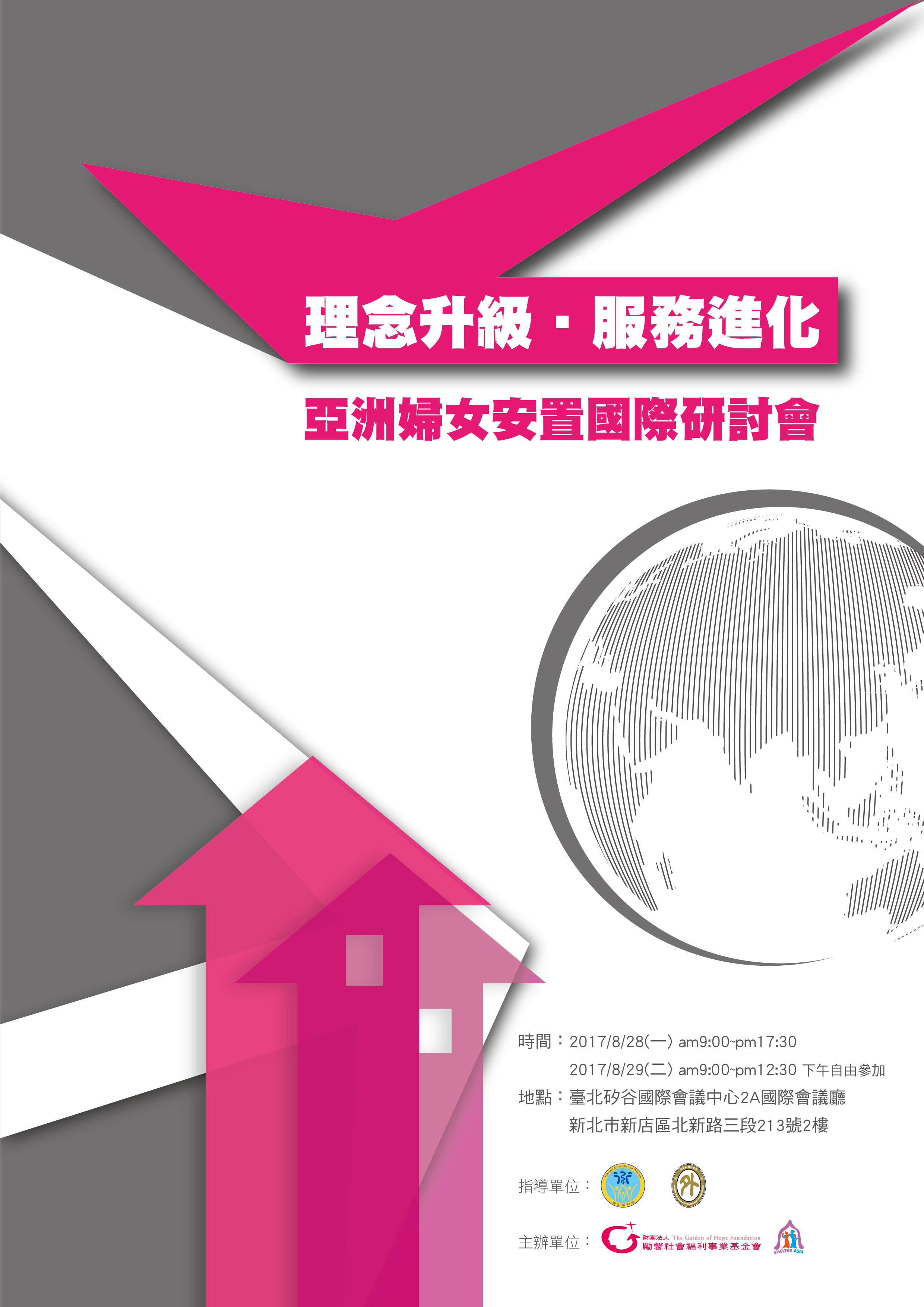
The 2018 Asian Conference of Women’s Shelters will take place in Sapporo, Hokkaido, Japan on November 2 before the Japan National Shelters Symposium on November 3-4, 2018.

Theme: Evidence based research on shelter needs and the status of laws to prevent domestic violence and protect survivors in Asia
Venue: Tokyo & Sapporo, Japan
Dates: October 30-November 4, 2018
Organizers: The Garden of Hope Foundation, All Japan Women’s Shelter Network, Hiroshima University, Asian Network of Women’s Shelters
The Asian Conference of Women’s Shelters will be an international platform for scholars, researchers and shelter practitioners to discuss interdisciplinary research and practices in the fields of establishing and running a shelter in Asia, and collection and analysis of data on domestic violence.
The goal of the conference is to produce a report on shelter needs and review the current domestic violence prevention laws in Asia. The report will be a tool for NGOs in the region to advocate for better shelter services and lobby for law reform.
The conference is organized in partnership with the All Japan Women’s Shelter Network and Hiroshima University. As well as leaders of the Asian shelter movement, Ms. Rosa Logar, former president of Women Against Violence in Europe (WAVE), will be a guest speaker at the event.
Itinerary:
October 30 (Tue) Arrive in Tokyo.
October 31, 2018 (Wed) Meeting with Japanese government officials. Travel to Sapporo.
Nov 1, 2018 (Thu) City tour, ANWS board meeting (closed), Sapporo shelter study tour.
Nov 2, 2018 (Fri) Asian Conference of Women’s Shelters.
Nov 3, 2018 (Sat) 21st National Japan Shelter Symposium.
Nov 4 (Sun) 21st National Japan Shelter Symposium (workshops in Japanese language), foreign guests return.
If you are interested in attending or would like to receive more details, please contact the ANWS secretariat.
This conference is partly subsidized by the Ministry of Foreign Affairs (Taiwan), Hiroshima University under the “Program for Promoting the Enhancement of Research Universities”, and the Japan Foundation Asia Center Grant Program for Enhancing People-to-People Exchange.
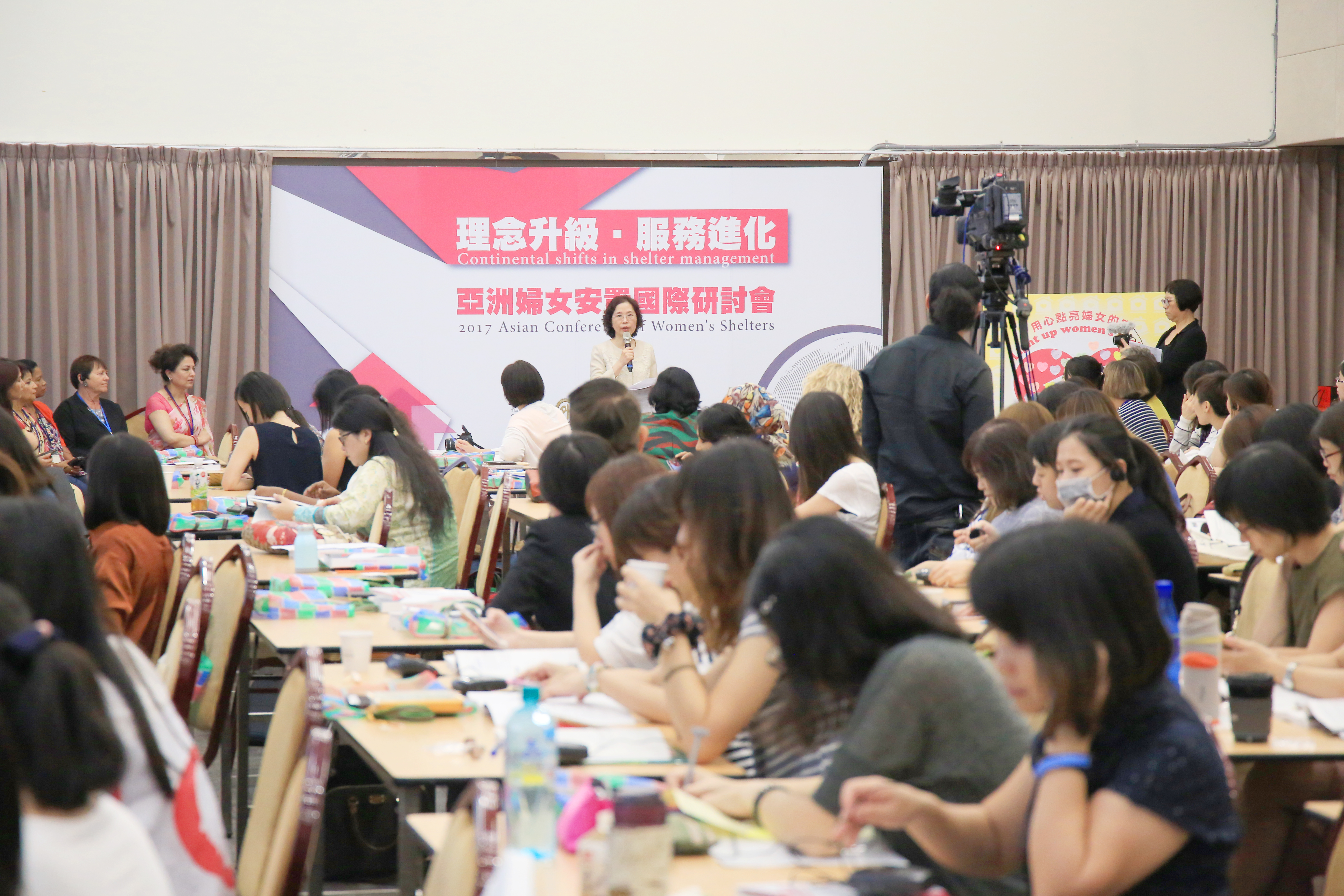
Hosted by the Garden of Hope Foundation and the Asian Network of Women’s Shelters (ANWS), the Asian Conference of Women’s Shelters was held in Taipei from August 28-31, and attended by 180 people from 19 countries and over 60 shelter organizations in Asia and Europe.
Judy Wong, director of the MOFA Department of NGO International Affairs, addresses the Asian Conference of Women’s Shelters
For the participating shelter managers, staff, other activists and front-line workers, the event was an opportunity to connect with dedicated women leaders and social workers from around the world.
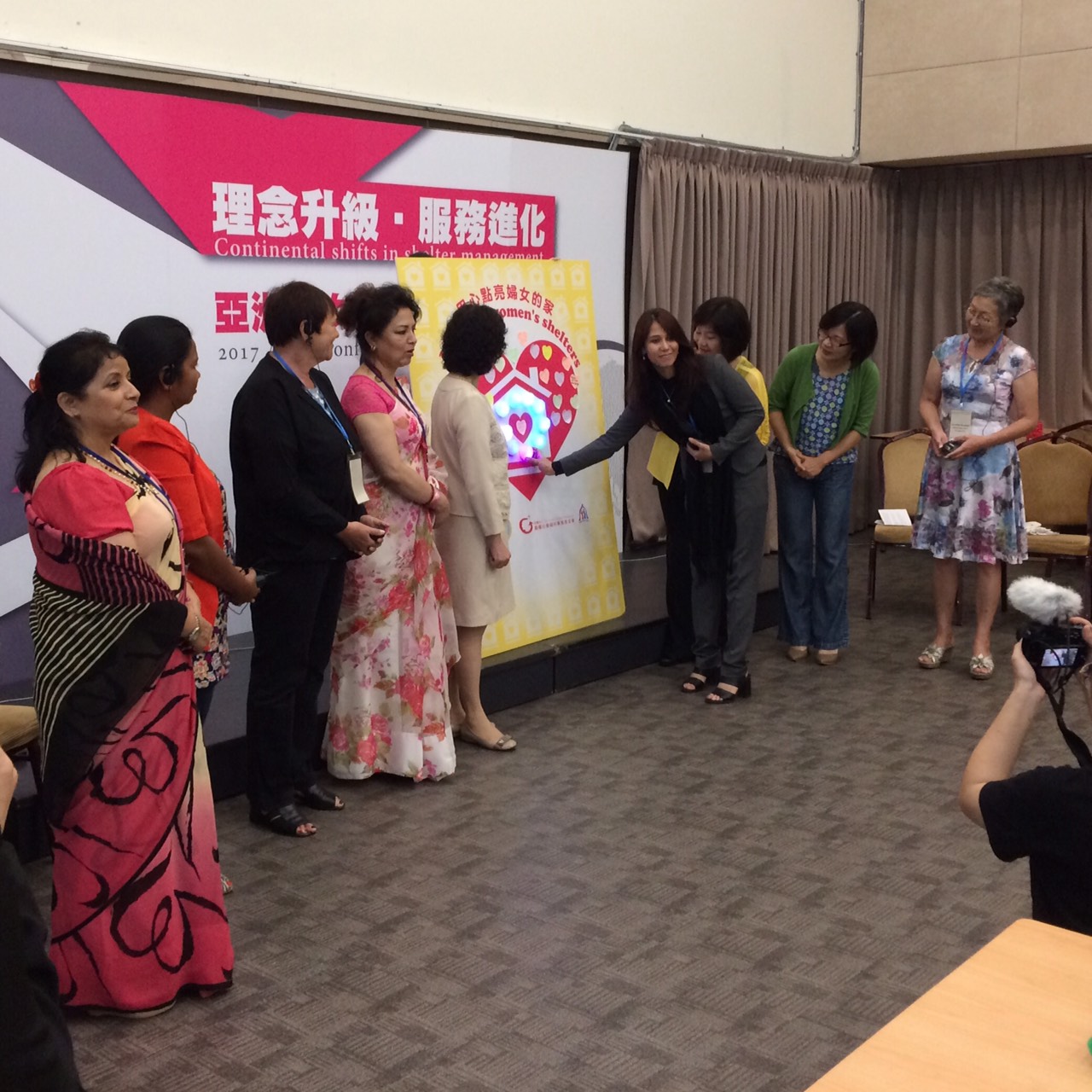
The opening ceremony on Monday August 28 introduced the theme of “Continental shifts in shelter management: Cross-regional dialogue on transforming women’s shelters”, with representatives from the continents of Asia and Europe placing heart-shaped lights on the shelter motif of the conference.
In her opening address, Chi Hui-Jung, CEO of the Garden of Hope and Chairperson of ANWS, said it was time for the government to release more social housing to give survivors of violence more options during the post-crisis period.
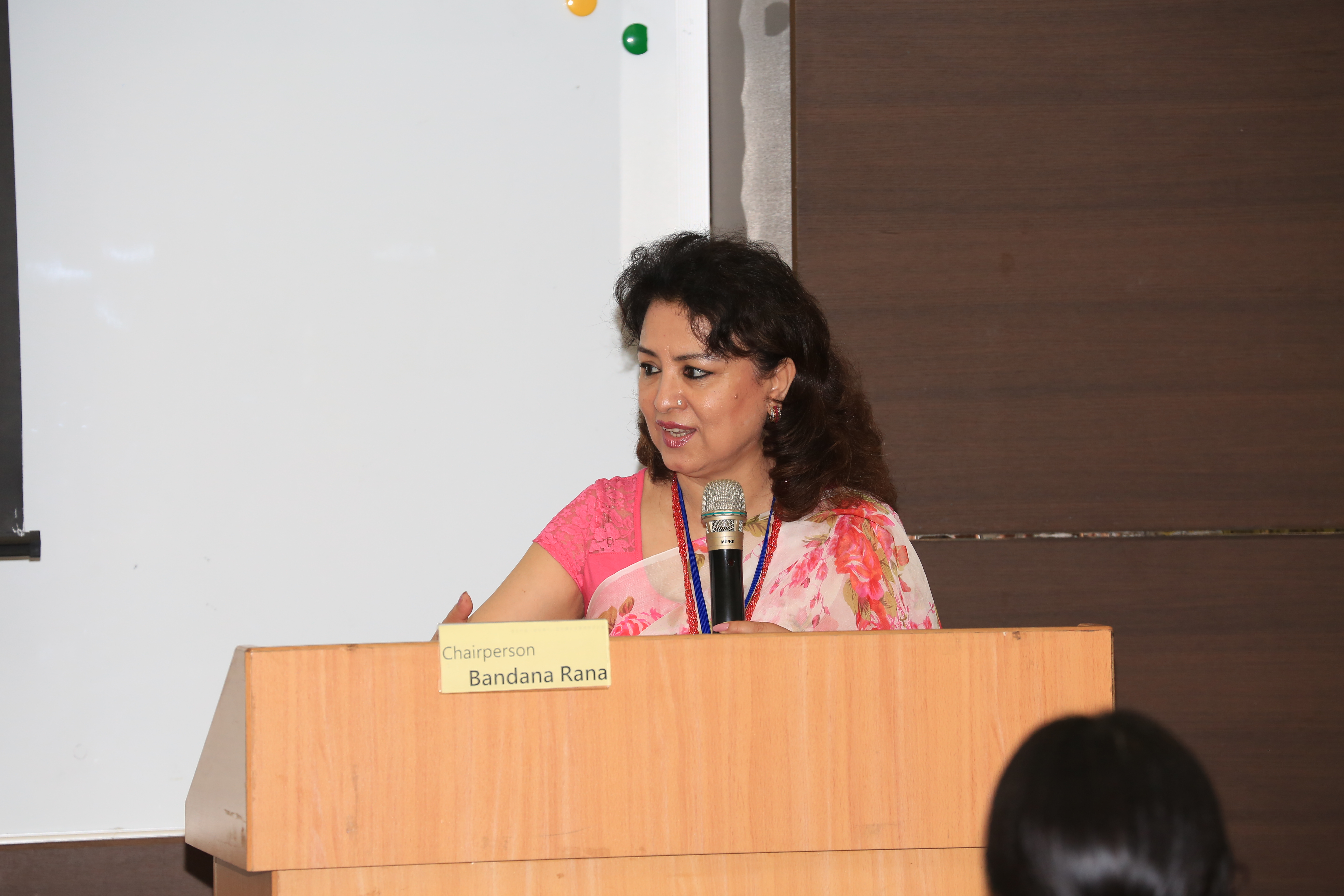
Bandana Rana, Chairperson of the Global Network of Women’s Shelters and CEDAW Committee Member, talked about how the shelter network had increased the vaisibility of the shelter movement.
Bandana Rana, GNWS chairperson & CEDAW committee member
In her keynote speech, Bandana made several concrete suggestions for the Asian Network, including using CEDAW and other human rights instruments to push to increase support for shelters, collecting data on shelter services in Asia, advocating for effective domestic violence laws, setting standards for shelter management, and initiating a dialogue with other regional forums.
Held in the context of a discussion on shelter transformation in Taiwan and other countries in Asia, speakers at the conference shared innovative models of shelter management and combating domestic violence.
Over the first two days, delegates heard from experts and practitioners in a series of panels on legal frameworks and policy strategies, network support for shelter services, economic empowerment programs for survivors, and new models for shelter management.
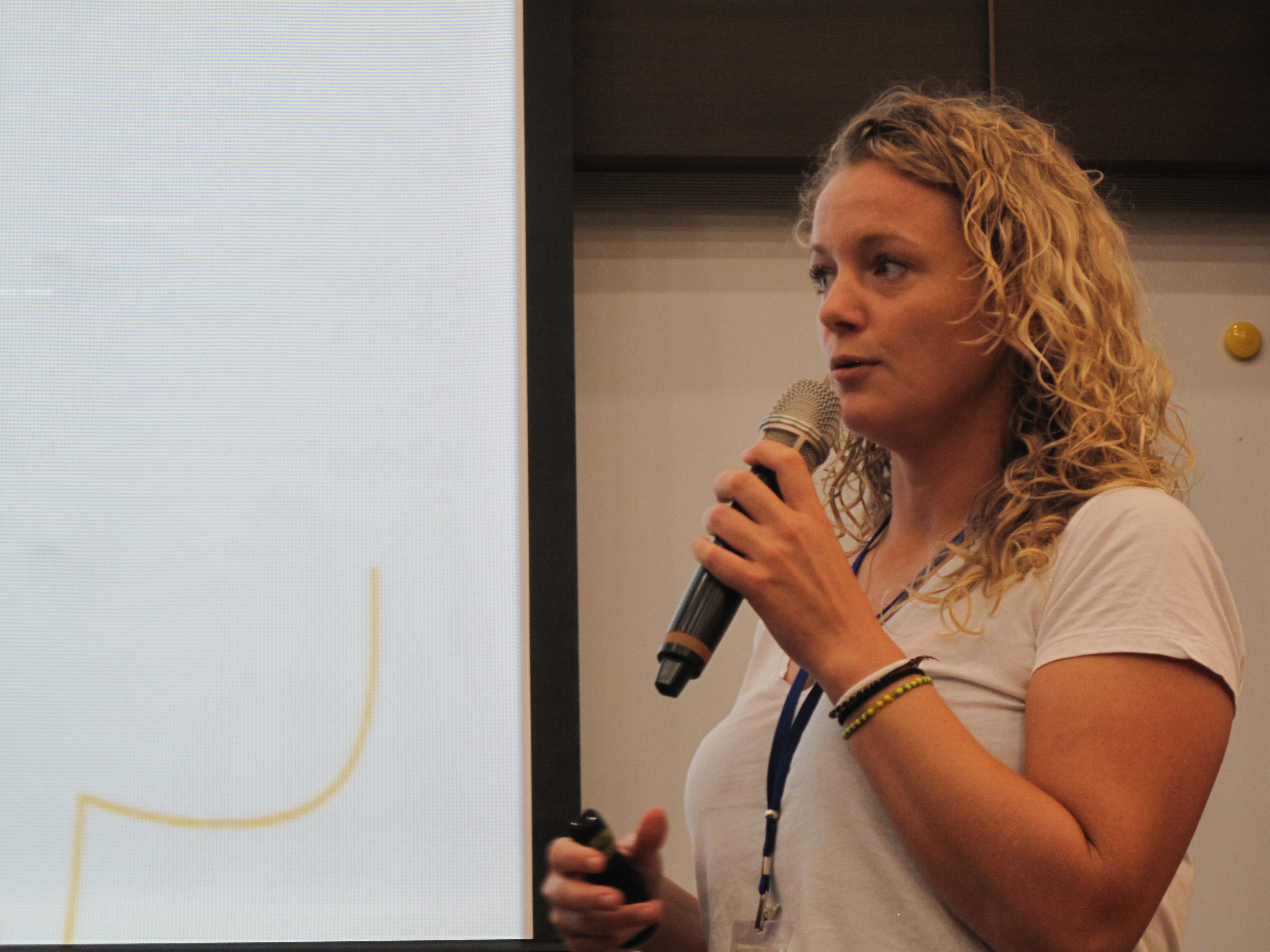
Claire Loeber, social worker, Oranje Huis
On Tuesday morning, social worker Claire Loeber from Blijf Groep in the Netherlands explained in detail how the innovative Orange House model works, from case management, assessment and selection of “red”, “orange” or “green” houses, and how to work with both survivors and perpetrators.
Among other highlights was a presentation on the Istanbul Convention by GREVIO vice president Rosa Logar, who explained how the law helped combat male-oriented or gender-neutral laws that do not account for the realities of women. Mr. Cheng Chien-Chih, Housing Development Section Chief at New Taipei City, impressed the audience with his presentation of a plan to put a social housing project for survivors of domestic violence above a police station. And Aisa Kiyosue and Chisato Kitanaka analyzed the shortcomings of the Japanese government’s laws and policies to protect victims of domestic violence.
The final section of the conference was devoted to an open space for participants to brainstorm ideas, exchange good practices, and learn and share with each other. Suggestions and new topics from the space, including how to involve governments in the network and how to add more practical “software” content, will be developed in future conferences.
Vice President Chen Chien-Jen and ACWS delegates
On Wednesday, international delegates paid a courtesy call to the Office of the President to lobby vice president Chen Chien-Jen to support the Garden of Hope’s bid to host the 2019 World Conference in Taiwan. Chen gave his full support to the plan, adding that the Taiwanese government supported the goals of the Istanbul Convention and was pleased to work with ANWS for the sake of vulnerable women and girl survivors of violence.
In the afternoon, the international delegates visited the Taipei City Domestic Violence and Sexual Assault Prevention Center and a Garden of Hope shelter in New Taipei City.
Finally on Thursday, the official conference program wound down with a city tour of the National Palace Museum and the AMA Museum for Taiwanese “comfort women”.
Participants commented that the conference was “a wonderful learning experience” and “an inspiring conference” and added that they were looking forward to the World Conference in Taiwan in 2019.
The Asian Conference of Women’s Shelters was sponsored by Taiwan’s Ministry of Foreign Affairs and the Ministry of Health and Welfare.
(Monday, August 28, 2017) Attended by 180 people from 18 countries and over 60 shelter organizations in Asia and Europe, the Asian Conference of Women’s Shelters started in Taipei today. You can follow the proceeding on our live web-stream.
(L-R) Uma Shah, Sujana Ximenes, Reijke Kok, Bandana Rana, Ruby Wong, Najla Areeb, Chi Hui-Jung, Chang Hsiu-Yuan, Oyunbileg Baasanjav
The conference started with welcome speeches from Chi Hui-Jung, CEO of the Garden of Hope and Chairperson of ANWS, Bandana Rana, Chairperson of GNWS and CEDAW committee member, and Taiwanese government representatives.
Chi said it was time for the government to release more social housing to give survivors of violence more options during the post-crisis period. Bandana noted how GNWS, ANWS and other shelter networks had helped raise the visibility of shelters around the world. She also called for more data collection on shelter resources to effectively lobby governments.
The conference continues through August 28-29, with panel discussions on economic empowerment, networking, legal structures, and alternative forms of shelter services.
The Asian Conference of Women’s Shelters 2017 will be held in the Taipei on August 28-30 on the theme of “Continental shifts in shelter management: Cross-regional dialogue on transforming women’s shelters”.
The event will bring together shelter heads, domestic violence professionals and community partners from over a dozen Asian countries and many more organizations.
Asian Conference of Women’s Shelters 2017
Held in the context of a discussion on shelter transformation in Taiwan and other countries in Asia, experts from Europe and North America will be invited to share innovative models of shelter management and combating domestic violence – including the Council of Europe’s Istanbul Convention and the Oranje Huis (Orange House) model from the Netherlands.
These ideas will be developed in panel discussions between Asian and European participants, with interaction and questions from the audience, to bring out new ideas and solutions to improve the services for survivors of violence across Asia.
The afternoon of day two, and day three will be devoted to study tours of local shelter organizations, government domestic violence prevention centers, and other organizations. An option tour of scenic spots in northern Taiwan will be offered to international participants on August 31.
Check the exciting Agenda here, and if you are coming to Taipei, study our Logistics page for information about how to get here, what to wear, and what to bring.
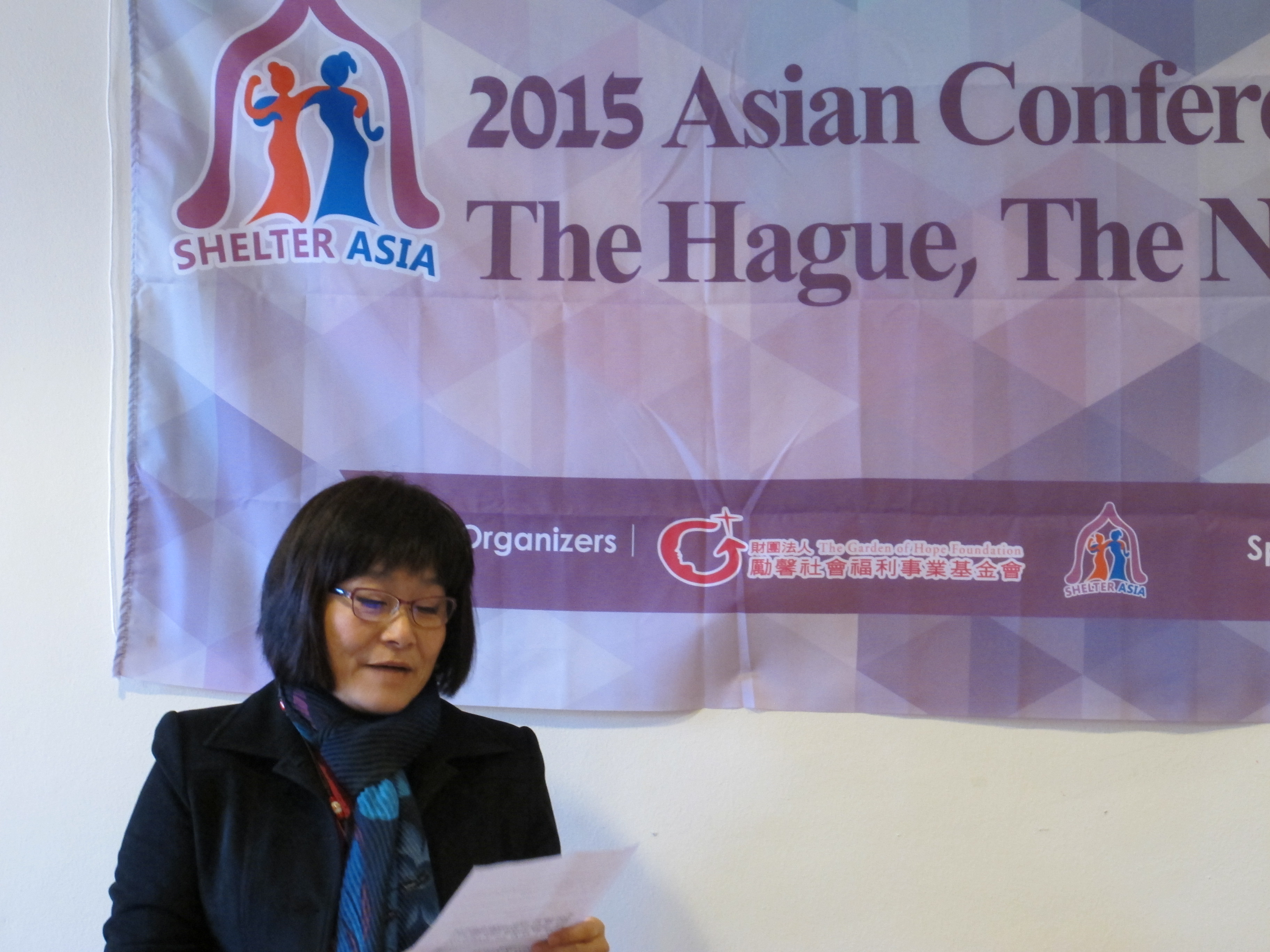
Forty leaders of the shelter and gender equality movement in Asia met in the Hague, the Netherlands on November 2-3, 2015, to discuss the status of women’s empowerment in the region.
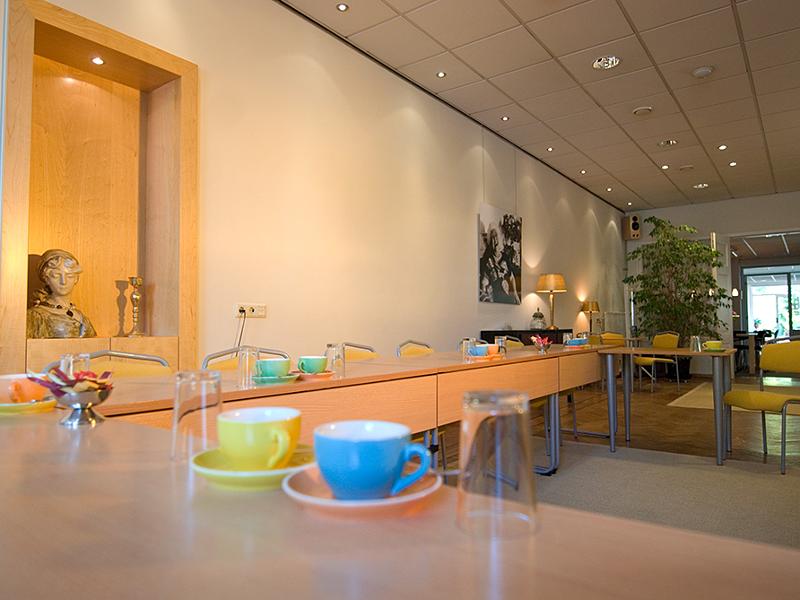
On the eve of the Third World Conference of Women’s Shelters on November 2, Asian delegates gathered at the Centrum Quadraat meeting room in the historic center of the Hague to discuss developments in shelter work in the region, progress toward building the economic capacity of survivors to find jobs and housing after they leave the shelters, and strategies to help migrant women and other marginalized groups be free of the fear of violence.
Some key issues which emerged in the meeting were:
Economic empowerment: Well-funded employment, housing and community programs to help women after they leave the shelter to become independent.
Housing and land: Give women equal property rights, rights to inheritance, affordable housing for survivors of domestic violence, and guarantee the property rights of widows.
Sufficient funding for shelters.
Create an environment where victims are able to report violations, seek justice, and speak out about abuse without fear of a lifetime of isolation so they are able to fully reintegrate into society.
Law reform and implementation: Update outdated laws, properly implement progressive laws, and improve coordination across borders to protect vulnerable women and girls and bring justice to survivors of GBV.
The government should address the lack of accountability systems within the public institutions.
NGOs should collect data and case study stories to improve our services and make us more accountable, and to help make us more effective advocates for the human rights of women and girls.
Full and equal protection of migrant women, especially domestic workers and marriage migrants.
For disaster situations: Prepare for future disaster situations by making women part of the disaster relief process, and making the processes more accessible to women.
The government should coordination between police, judiciary, hospitals other public institutions as well as civil society service providers to avoid need to re-apply, re-testify and re-live the trauma of abuse.
The government should produce clear and published guidelines and protocols for public institutions to follow in cases of gender based violence.
Chi Hui-Jung
The chairperson of the Asian Network of Women’s Shelters, which organized the event, Chi Hui-Jung said Asia, as was the world’s most diverse region, could show the world how a strong network of different peoples can come together to help women and girls be free of violence and abuse.
Bandana Rana, chairperson of the Global Network of Women’s Shelters, said The Asian Network of Women’s Shelters grew out of the Global Network of Women’s Shelters. “It is one thing to have a strong network,” said Bandana, “but the important thing is what to do. It is still heartbreaking to see so many women and girls suffering from violence, abuse and even rape.”
Ivy Josiah, Former Executive Director, WAO Malaysia talked about ethnic tensions in Malaysia and problems with husbands converting to Islam and taking domestic violence cases to the Sharia court. Ivy also stressed how important it was for NGOs to collect data for advocacy and fundraising, and also to improve accountability: “We need documented and data-evidence proof work to convince people,” Ivy said.
Rabeea Hadi, Director of Advocacy and EVAW at Pakistan’s Aurat Foundation, said, “Economic empowerment is very important, especially for women who leave the shelter after 3-4 months and are left in no-man’s land.”
Mashuda Shefali
Chisato Kitanaka, Executive Director of the All Japan Women’s Shelter Network, presented the results of a comparative survey on Taiwan, Japan and Malaysia. She said Taiwan had the most complete shelter system, and was particularly impressed that social workers were employed in shelters in Taiwan, which is not possible in Japan.
Housing and land rights was another important issue. “Safe living means a house, tenureship and property rights of women,” said Mashuda Shefali, Executive Director NUK Bangladesh.
Monique Wilson
Monique Wilson, Director of the One Billion Rising (OBR) campaign said aside from the main theme of “Revolution”, the focus of the movement next year will be on marginalized women. Monique added, “Grassroots organizations have led OBR so far, so we need to give a platform to the people who are least visible in society.”
Lorraine Lim, Administrator and Counsellor the Star Shelter SCWO in Singapore said, “Many migrants do not know that domestic violence is a crime, let alone where to go to report it.” Her organization, the Singapore Council of Women’s Organisations (SCWO) recommends residency rights could be sponsored by a relative or friend and not just the spouse of a migrant.
The ANWS board met during lunchtime and reported back to the conference in the afternoon, urging participants to sign up as members of ANWS on the website. On November 3, participants went on a study visit of the Hague city government and a local shelter for young pregnant women and mothers.
The conference was sponsored by Taiwan’s Ministry of Foreign Affairs, and organized in partnership with the Garden of Hope Foundation, the Asia Network of Women’s Shelters, the Global Network of Women’s Shelters, and the Third World Conference of Women’s Shelters.
The Asian Conference of Women’s Shelters on November 2, 2015 is specially designed for Asian participants. The event will prepare delegates for 3WCWS and help build partnerships across Asia and provide a platform to build new alliances between shelter practitioners, NGO leaders, politicians and the business community. See here for more information about the speakers. The pre-conference is organized by the Asian Network of Women’s Shelters (ANWS) and the Garden of Hope Foundation with support from the Ministry of Foreign Affairs, Taiwan, and the Global Network of Women’s Shelters (GNWS).
Date: November 2, 2015 (Mon) Time: 09:00-18:30 Venue: Centrum Quadraat, the Hague, the Netherlands
Time
Agenda
Speakers
08:30-09:00
Registration
09:00-09:05
Opening Ceremony and Introduction to guests
09:05-09:15
Opening Remarks
Chi Hui-jung, Chairperson, ANWS;
Bandana Rana, Chairperson, GNWS;
H.E. Tom Tai-Chu Chou, Representative, Taipei Representative Office, Hague
09:15-09:20
Opening Ceremony and Introduction to guests
(Group photo)
09:20-09:30
Break
09:30-11:30
Workshop: Reflecting On and Honoring Shelter Work.
Workshop leader: Kaili Lee, Research specialist, GOH
11:30-13:30
Lunch
(ANWS board meeting for members of the ANWS executive committee)
13:30-15:00
Theme 1: Empowering Women – Economic, Social and Human Rights Based
Moderator: Chi Hui-jung, Chairperson, ANWS;
– Bandana Rana, Chairperson, GNWS;
– Mashuda Katun Shefali, Executive Director NUK Bangladesh “Economic empowerment and safe living environments for Bangladeshi women”
– Rabeea Hadi, Director of Advocacy and EVAW, Aurat Foundation, Pakistan “Minimizing VAW through seamless service of hubs and networks – a case study of Pakistan” – Dr. Chisato Kitanaka, Executive Director, All Japan Women’s Shelter Network “Comparison of DV law between Taiwan and Japan”
15:00-15:30
Break
15:30-17:30
Theme 2: Focus on Marginalized Groups – Migrants and Migrant Workers
Moderator: Monique Wilson, Director, OBR
– Ivy Josiah, Former Executive Director, WAO Malaysia “Shelter services in a cross cultural, multi ethnic and multi religious society”
– Lorraine Lim, Administrator and Counsellor, Star Shelter, SCWO, Singapore “Services for women in different culture and races in Singapore” – Hsing-Ling Hsieh, Deputy Secretary-General, Legal Aid Foundation, Taiwan
Plan to arrive early for the Third World Conference of Women’s Shelters (3WCWS) so you can attend the Asian Conference of Women’s Shelters on November 2, 2015 at in the Hague.
Specially designed for Asian participants, this event will prepare delegates for 3WCWS and help build partnerships across Asia. The themes of the conference will focus on specific Asian issues, with the goal of forming strategies to end the endemic problem of violence against women and children. The event will provide a platform to build new alliances between shelter practitioners, NGO leaders, politicians and the business community.
The event will include a practical workshop on “Reflecting on and Honoring Shelter Work” and high-level discussions on “Empowering Women: Economy, Society and Human Rights” and “Focus on Marginalized Groups: Migrants and Migrant Women”.
The pre-conference is organized by the Asian Network of Women’s Shelters and the Garden of Hope Foundation with support from the Ministry of Foreign Affairs, Taiwan, and GNWS.
Dates: November 2, 2015 (Mon)
Time: 09:00-18:30
Venue: Centrum Quadraat, the Hague, the Netherlands
Address: Toussaintkade 53, 2513 CL Den Haag
Presenters: 10 Asian women’s shelter leaders and managers
Participants: 20 people (not including presenters)
Organizer: Asian Network of Women’s Shelters; The Garden of Hope Foundation
Sponsors: Ministry of Foreign Affairs (MOFA), Taiwan ROC; Global Network of Women’s Shelters (GNWS)
Themes of the Conference
Workshop: Reflecting on and Honoring Shelter Work
Theme I: Empowering Women: Economy, Society and Human Rights
Theme II: Focus on Marginalized Groups: Migrants and Migrant workers
Please register your interest to attend here. The conference is free of charge, but there are a limited number of places available, so we cannot guarantee that everyone who registers will be able to attend.
Draft Agenda
Day One: November 2 (Monday) Conference at Centrum Quadraat
09:00-09:30
Registration
09:30-10:00
Opening Introductions
10:00-12:00
Workshop: Reflecting on and Honoring Shelter Work
12:00-13:00
Lunch
13:00-15:00
Theme II: Empowering Women: Economy, Society and Human Rights
Worldwide systematic approach to tackling violence against women
(The Hague, 10 December 2014 – Human rights day) Having held conferences in Canada and the United States, The Global Network of Women’s Shelters (GNWS) has asked the Netherlands to organise the 3rd World Conference of Women’s Shelters in 2015. Women’s Shelters the Netherlands, the Dutch government and the municipality of The Hague have taken up this invitation with much enthusiasm. From 3 to 6 November 2015, the world conference will take place in the World Forum in The Hague.
1 in 3 women across the globe will be a victim of violence
Violence against women and girls may well form the most substantial and permanent breach of human rights of our times. Worldwide, 1 in 3 women will become victims of violence. The uneven power relationship and economic inequality between men and women are usually the root cause. “The aim of the Global Network of Women’s Shelters is to create a world where women and their children are free from violence and discrimination and are able not only to gain knowledge but also have the freedom to use that knowledge to shape their own lives”, says Bandana Rana, chair of the Global Network of Women’s Shelters.
The Hague: international city of peace and (woman) rights
In order to strengthen the position of the Global Network of Women’s Shelters, the GNWS is basing its administrative headquarters in The Hague; the international city of peace and (women’s) rights. Mayor Jozias van Aartsen is delighted that the GNWS has chosen his city: “GNWS could not have chosen a better place. The rights of women and children are on the agenda in The Hague on a daily basis, where intergovernmental and non-governmental organisations are working to create a better world. For that reason, we also wholeheartedly welcome the GNWS headquarters to our international city of peace and justice.”
Alliance with industry
With its world conference, the GNWS would like to strengthen its existing network of women’s shelters and connect with other NGOs, governments and industry. Industry, in particular, forms an important link in the fight against violence. Employers can offer women from shelters a ‘safe’ place to work and strengthen the economic position of these women so that a relapse is avoided.
About the conference
The 3rd World Conference has positive responses from key UN Agencies – including UN Women and UNFPA – to partner in this initiative. The World Conference offers a forum for 1,500 to 2,000 employees from shelters and grass-root organisations across the world. It also offers a stage to several leading world citizens and international representatives to make a collective effort to eliminate violence against women and girls. From 10 December, participants can enroll for the conference via the intention registration system on the website: WorldShelterConference.org
About the Global Network of Women’s Shelters
The Global Network of Women’s Shelters (GNWS) is a global voice for survivors and the shelters that serve them. GNWS was founded in 2009 to unite and strengthen the women’s shelter movement globally in terms of bringing an end to violence against women and their children. GNWS is an active global network, united by a shared vision for an equal world where women and children live free from violence. We work to ensure global awareness of violence against women and children; support and strengthen the women’s shelter movement; promote effective policies and their implementation in order to prevent violence and protect and empower women and children; and promote social change that ends violence and oppression against women and children. GNWS encourages membership applications from shelters and other organisations working to create safe spaces for women, such as women’s shelters, refuges, safe homes, transition homes, and anti-violence centres. All member organisations must adhere to GNWS’ guiding principles, vision, and purpose.
About Federatie Opvang Federatie Opvang is the umbrella organisation of the shelters in the Netherlands, fulfilling a leading role in providing lobbying and advocacy on behalf of its members. Federatie Opvang and its members have extensive expertise regarding violence against women, domestic violence, honour related violence, trafficking in human beings, and violence in dependency relationships.
The review of the Beijing Platform for Action 20 years after it was passed in 1995 is a huge opportunity for us to highlight what has been achieved in the last two decades and examine the remaining challenges to attaining full gender equality.
Legislation to protect women against violence and proper funding for shelters were both part of the Beijing Platform for Action.
In the last 20 years many Asian countries have made great progress by passing legislation on domestic violence and providing funding for shelters. But, according to the results of a recent survey conducted by the Asian Network of Women’s Shelters, law reform and proper implementation of the law is still needed, and governments must spend more money to help shelters provide the necessary support to help survivors of violence rebuild their lives.
1. Domestic Violence Law Reform and Proper Enforcement
The Beijing Platform for Action calls for reform of gender-insensitive laws and proper enforcement of existing laws related to violence against women (paragraphs 118, 121, 124(g)).
In the last 20 years, many Asian countries have passed legislation to protect victims of domestic violence such as the Domestic Violence Act in Nepal and the Protection of Women Against Domestic Violence Act in India.
Despite these positive steps, there are still major problems with both the content and the implementation of these laws. An ANWS survey of nine Asian countries/areas conducted in 2013 found that although all nine countries/areas have a specific law to combat domestic violence, in eight cases the law is not properly implemented and/or needs to be reformed.
ANWS calls on governments to reform existing laws on domestic violence which do not properly protect women and girls; and strengthen law enforcement and application to achieve dignity and justice for women and girls who are subjected to domestic violence.
2. Decent Funding for Shelters
The Beijing Platform for Action calls for “well-funded shelters and relief support for girls and women subjected to violence”, which includes medical, psychological and other counselling services, legal aid, and other welfare support (paragraph 125(a)).
Despite this demand, funding for shelter services in Asia is woefully inadequate. Only three out of the nine countries/areas in our survey reported that government funding for shelters was “significant”. ANWS members in four countries reported insufficient or minimal funding, and two countries reported no government funding whatsoever.
Even in the three countries/areas which enjoy significant government funding, two put high operation costs and financial pressure at the top of their list of challenges. Another problem is the fact that government funding for shelters is often granted on a project-by-project basis, so when the project ends, the funding stops and the shelter closes.
ANWS calls on governments to fulfill their responsibility to provide sufficient and sustainable funding for shelters and other relief support mechanisms for women and girls who are survivors of violence.
WOMEN’S Aid Organisation, Malaysia (http://www.wao.org.my/) launched a nationwide public education programme called #NoExcuseForAbuse to raise awareness on domestic violence in March.
Through this campaign, they targeted the earlier phase of domestic abuse before it snowballs. Especially, they were reaching out to those who are in doubt, who are questioning whether things are going right in their relationships.
There were four parts to the campaign, including an installation art exhibition, pledge of support, SMS helpline and radio public service announcements.
In conjunction with International Women’s Day, the exhibition features a display of blouses with hand-stitched words representing the voices of survivors
They also launched an SMS helpline called TINA (Think I Need Aid) and details were included on each of the blouses.
TINA was created to reach out to victims of abuse who may not want to make phone calls and feel more comfortable sending a text message as there was more anonymity.
During the event, #NoExcuseForAbuse T-shirts were given out to the public.