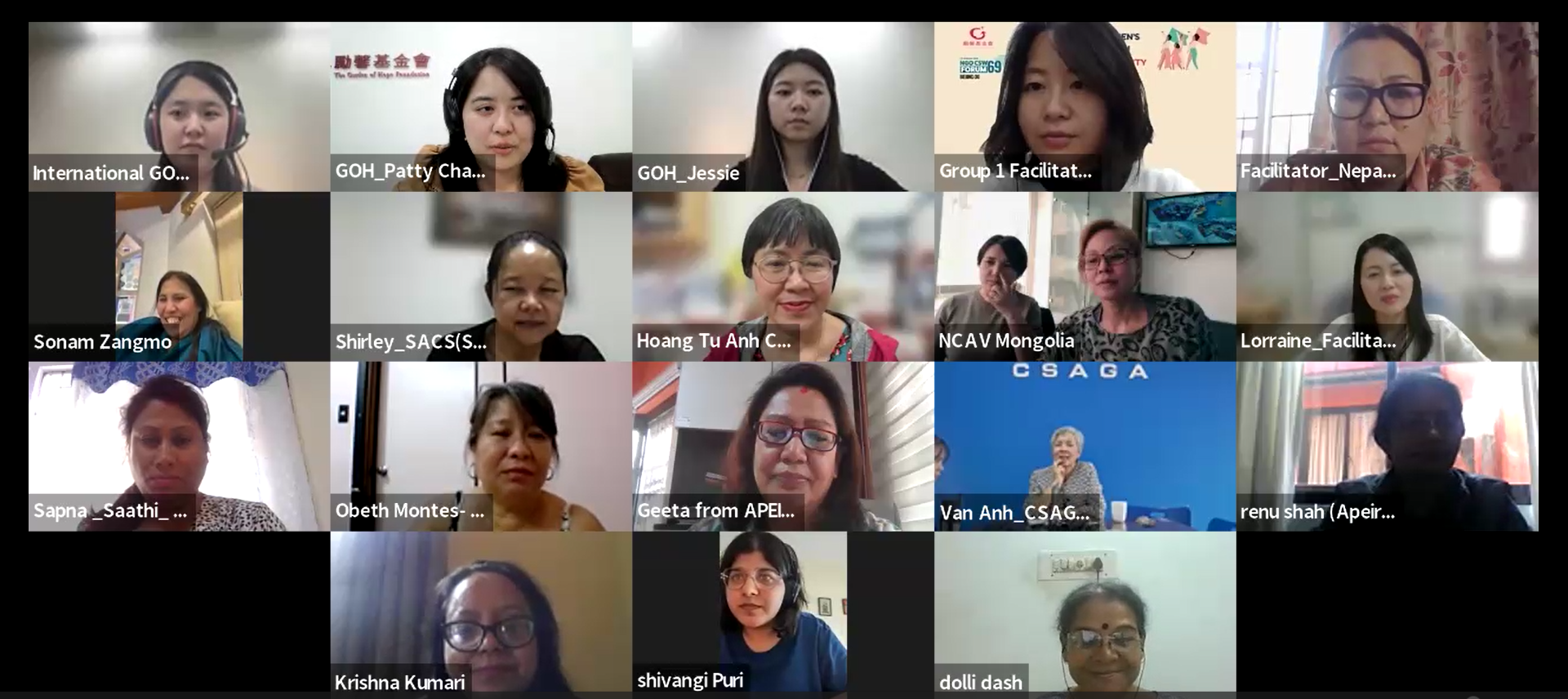
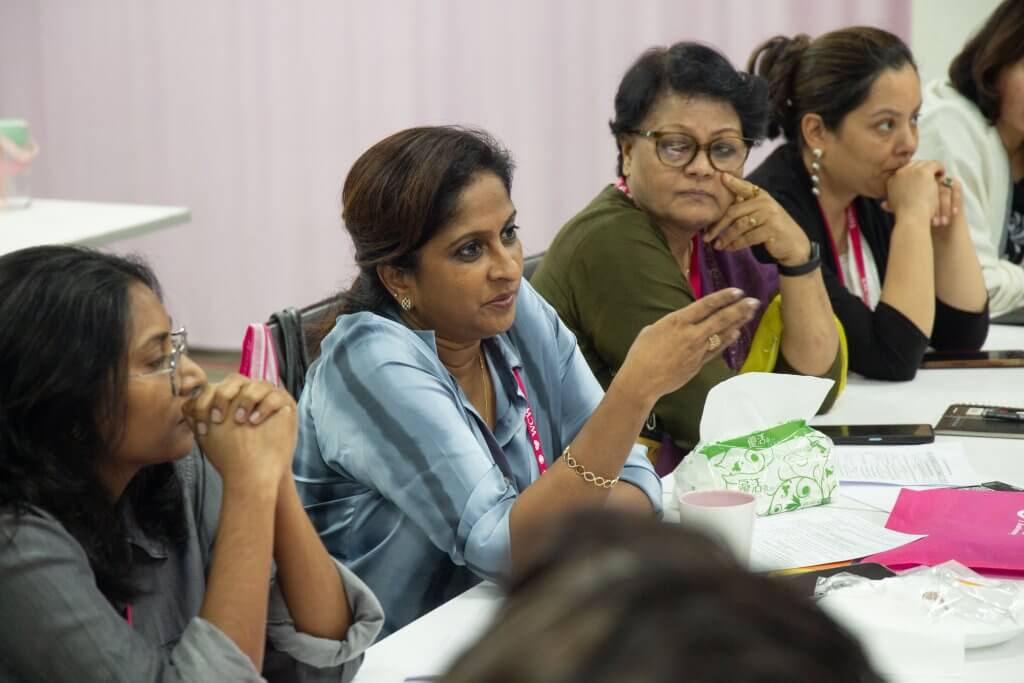
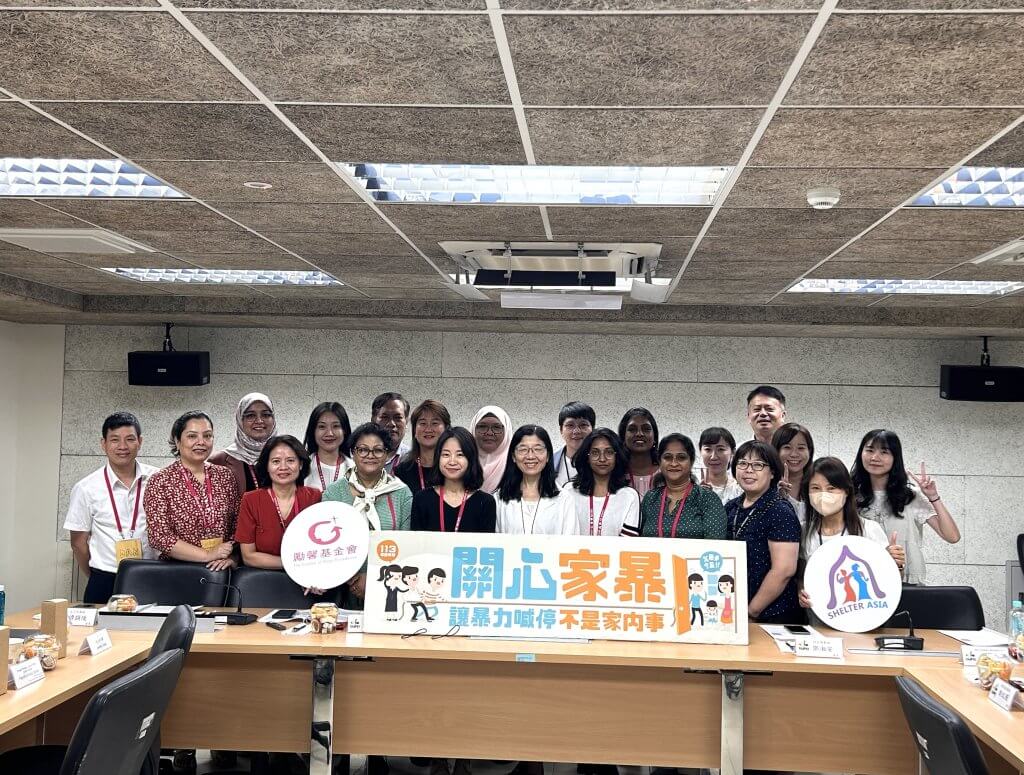
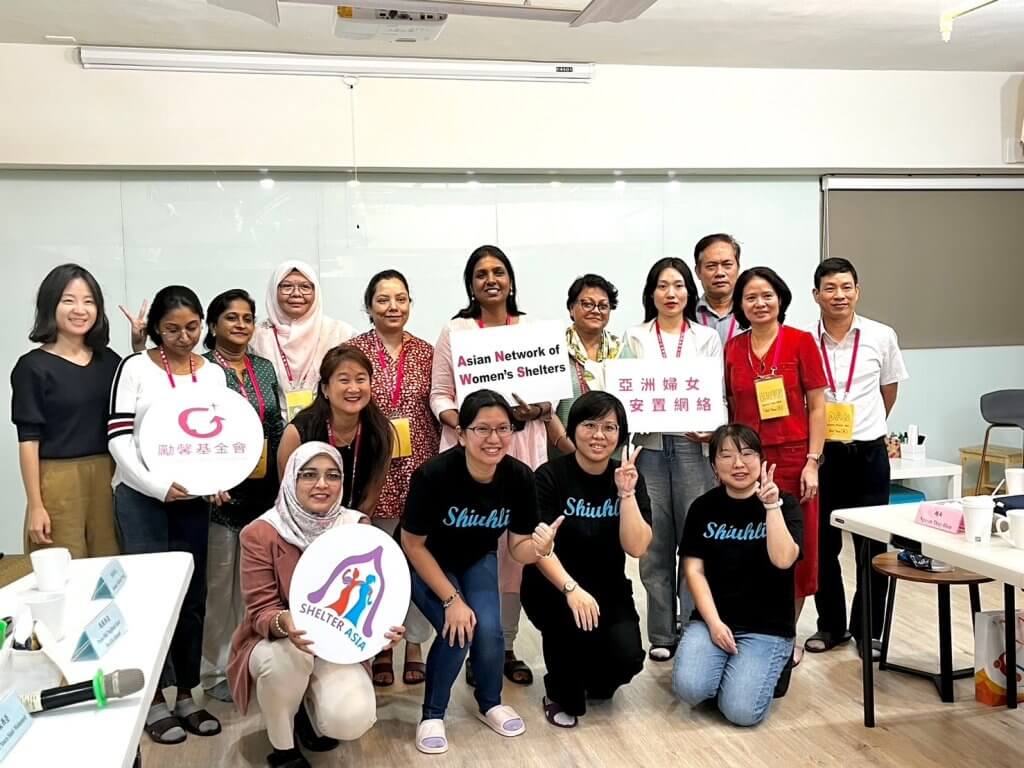
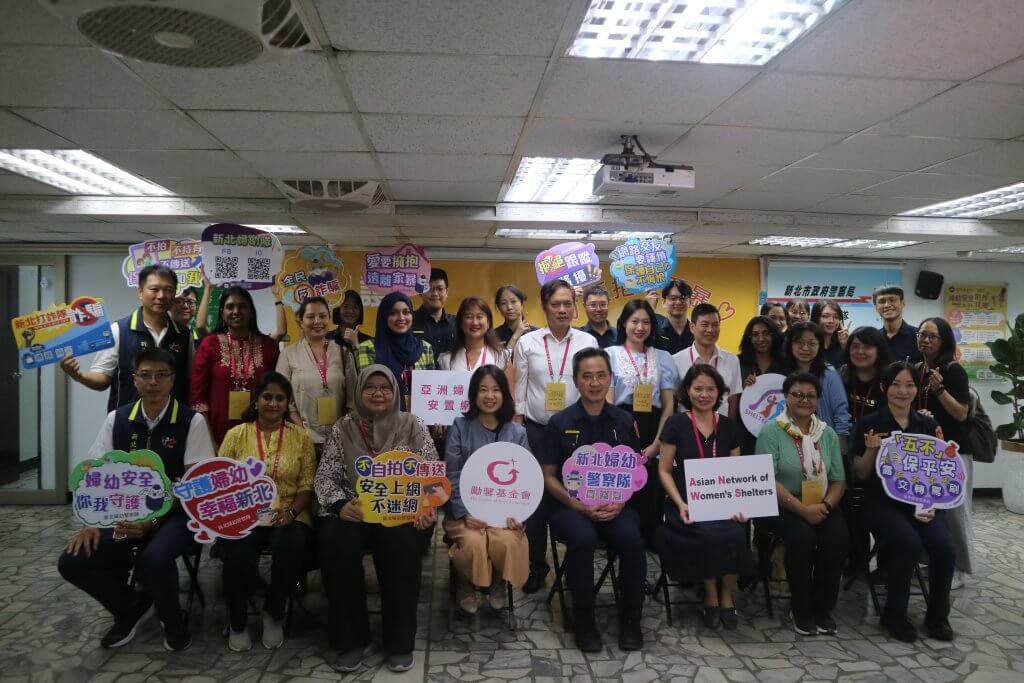
On January 28, 2026, the Asian Network of Women’s Shelters (ANWS) convened its first Regional Meeting of the year, bringing members together to shape our shared priorities and direction for 2026.
Reflecting on Our January 28 Kick-off
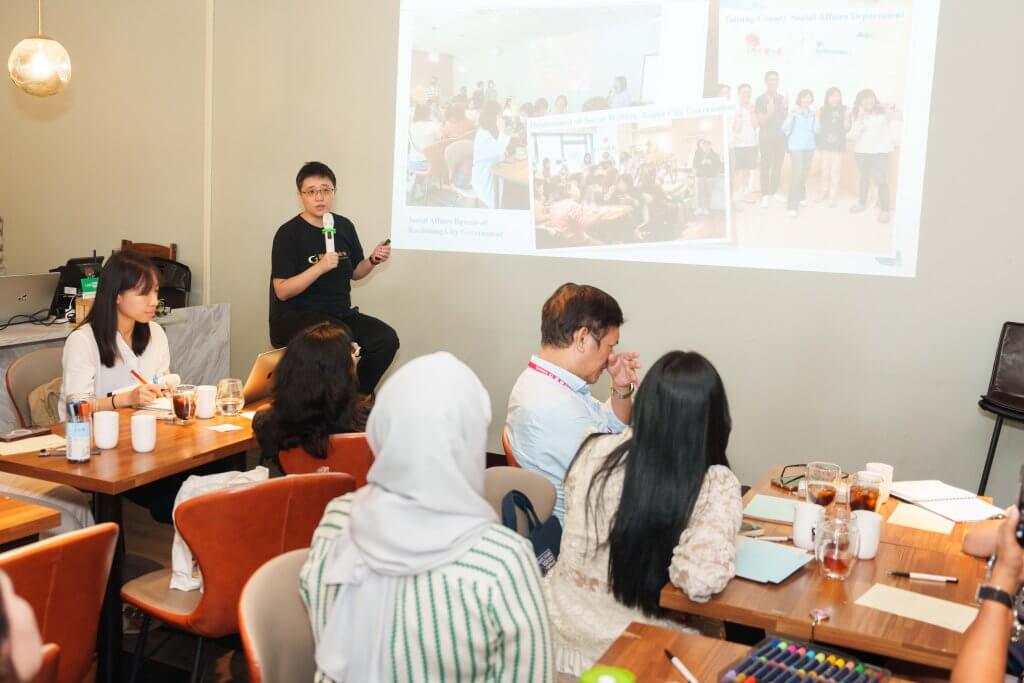
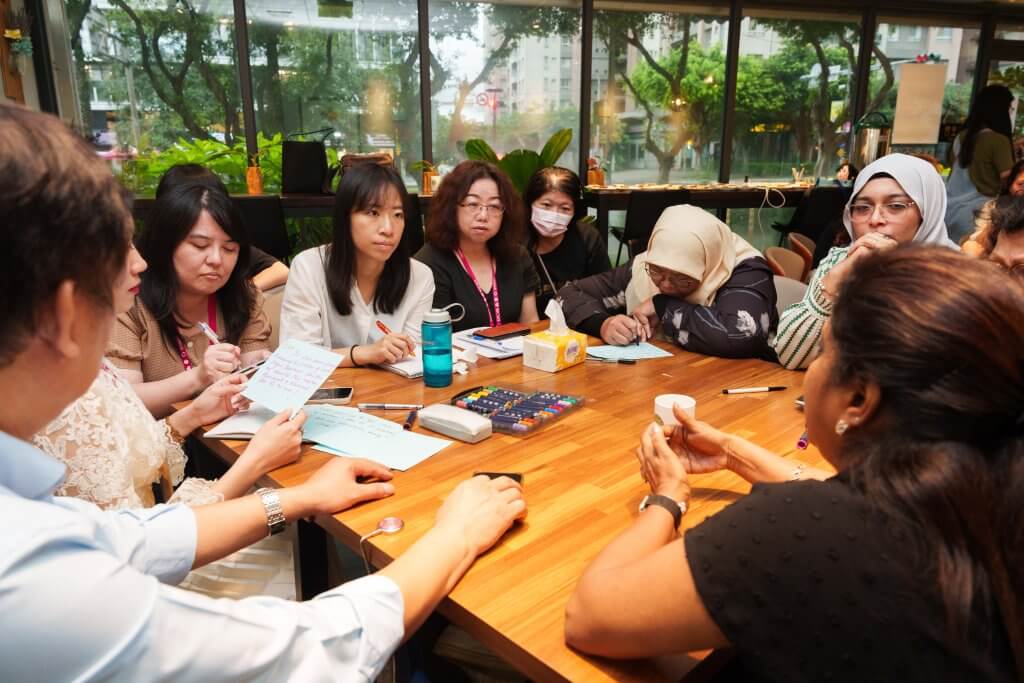
Representatives from women’s shelters and partner organizations across Asia gathered to exchange perspectives on emerging challenges and opportunities in addressing gender-based violence (GBV). Key discussion areas included the needs of children and adolescents growing up in shelters, approaches to economic integration beyond skills training, and the importance of inclusive responses for refugees and minority communities through expert-led engagement.
Participants also raised growing concerns about technology-facilitated gender-based violence (TFGBV), particularly the misuse of AI to create and disseminate harmful content targeting women. There was strong interest in developing a TFGBV resilience and response program, with broad agreement on holding expert sharing sessions every two months, complemented by less frequent organizational updates.
The meeting reflected strong regional engagement, with members actively sharing the call within their networks and expressing interest in future sessions. Overall, the discussion reaffirmed ANWS’s collective commitment to learning, collaboration, and strengthening survivor-centered responses across the region.
Following the meeting, a feedback survey was shared with members. We are delighted to present the key insights from the survey and outline the initiatives that will guide our work in 2026.
The Road Ahead: What Members Voted For
Your feedback is directly shaping ANWS’s 2026 agenda. Based on the survey results, we will move forward as follows:
Priority Themes: Members expressed the strongest interest in Shelter Management Best Practices, followed closely by Funding & Sustainability and Intersectionality & Inclusion.
Format & Style: Expert-led sessions were identified as the most valuable format. To ensure inclusive participation, we will alternate between parallel small-group discussions and single-track large-group sessions, as both formats received equal support.
Meeting Logistics: Regional meetings will be held quarterly, with each session lasting 1.5 to 2 hours.
We are especially grateful to members such as Dolli Dash, Lorraine Lim, Swetha Shankar, and Dr. Prasanna Gettu, who have generously offered to share their expertise. We look forward to inviting them as speakers in upcoming sessions aligned with our meeting themes.
Thank you to all our partners and friends who joined the ANWS Meeting yesterday. It was wonderful to see so many of you — and for those who couldn’t attend, we look forward to reconnecting soon.
Meeting Recap & Appreciation
We extend our sincere thanks to:
Lorraine (ANWS Board Member; DCEO, SCWO) — for sharing valuable updates on the 5th World Conference of Women’s Shelters (5WCWS), and for reporting on the GROW Project’s efforts toward perpetrator improvement. Your emphasis on male engagement as a core element of long-term change sparked important reflection on cross-country learning.
Jessie (GOH Fellow) — for presenting observations from recent visits to shelters and organizations across the region. Your field-based insights helped us better understand the diversity of service models and challenges confronting women’s shelters in Asia.
2026 Collaboration Themes — Collective Priorities
Thank you to everyone who completed the registration questionnaire and contributed to the discussion. Based on your feedback and the meeting conversation, we have identified seven priority themes for regional collaboration in 2026 (also summarized in slide p.16):
Act as a united Asian coalition
Build capacity through training and shared learning
Lead coordinated advocacy and push governments for accountability
Strengthen survivor services and cross-country referral pathways
Address digital violence and emerging tech-enabled gender-based violence
Secure sustainable funding — especially for shelters
Promote survivor-centered and culturally responsive practices
Given the importance of these priorities, we propose organizing theme-based meetings in 2026 to allow deeper discussion and concrete planning with all member organizations.
Discussion Highlights from the Meeting
During the open discussion, participants underscored several important issues and shared updates from their contexts:
Sustainable Funding:
Representatives from Saathi (Nepal) pointed out ongoing challenges in securing long-term funding for shelters, describing the fragile financial situation in Nepal.
Representatives from Cambodian Women’s Crisis Center (Cambodia) highlighted the need for the network to demonstrate collective impact when approaching donors—underscoring how regional collaboration can strengthen funding appeals.
Shelter Services & Cross-border Collaboration:
Members from CSAGA (Vietnam) shared updates on sexual harassment education programs in factories, and expressed hope for the reopening of hotline services soon.
Several participants voiced strong interest in expanding support for survivors of technology-facilitated abuse (especially women and children), reflecting a growing concern about digital violence across member countries.
There was broad agreement on the need for cross-border collaboration, shared learning, and regional referral pathways — underscoring the value of working together to strengthen services and collective advocacy.
Advocacy in Challenging Contexts:
Representatives from Korea Women’s Hotline (South Korea) gave updates following last year’s political crisis, noting that women constituted over 30% of rally participants. Despite challenging circumstances, they continue to organize events and advocacy efforts — demonstrating resilience and ongoing commitment.
We deeply appreciate these contributions and the courage and dedication of everyone who shared their realities and ideas.
Shared Resources & Useful Links
For those who wish to revisit information shared during the meeting, here are the relevant links:
We are deeply grateful for your time, energy, and ongoing commitment. Your contributions help strengthen the regional network of women’s shelters and bring us closer to our shared mission of supporting women and children across Asia.
If you have more reflections, suggestions, or would like to propose agenda items for upcoming 2026 theme-based meetings, please don’t hesitate to reach out. We look forward to continuing this important journey together.
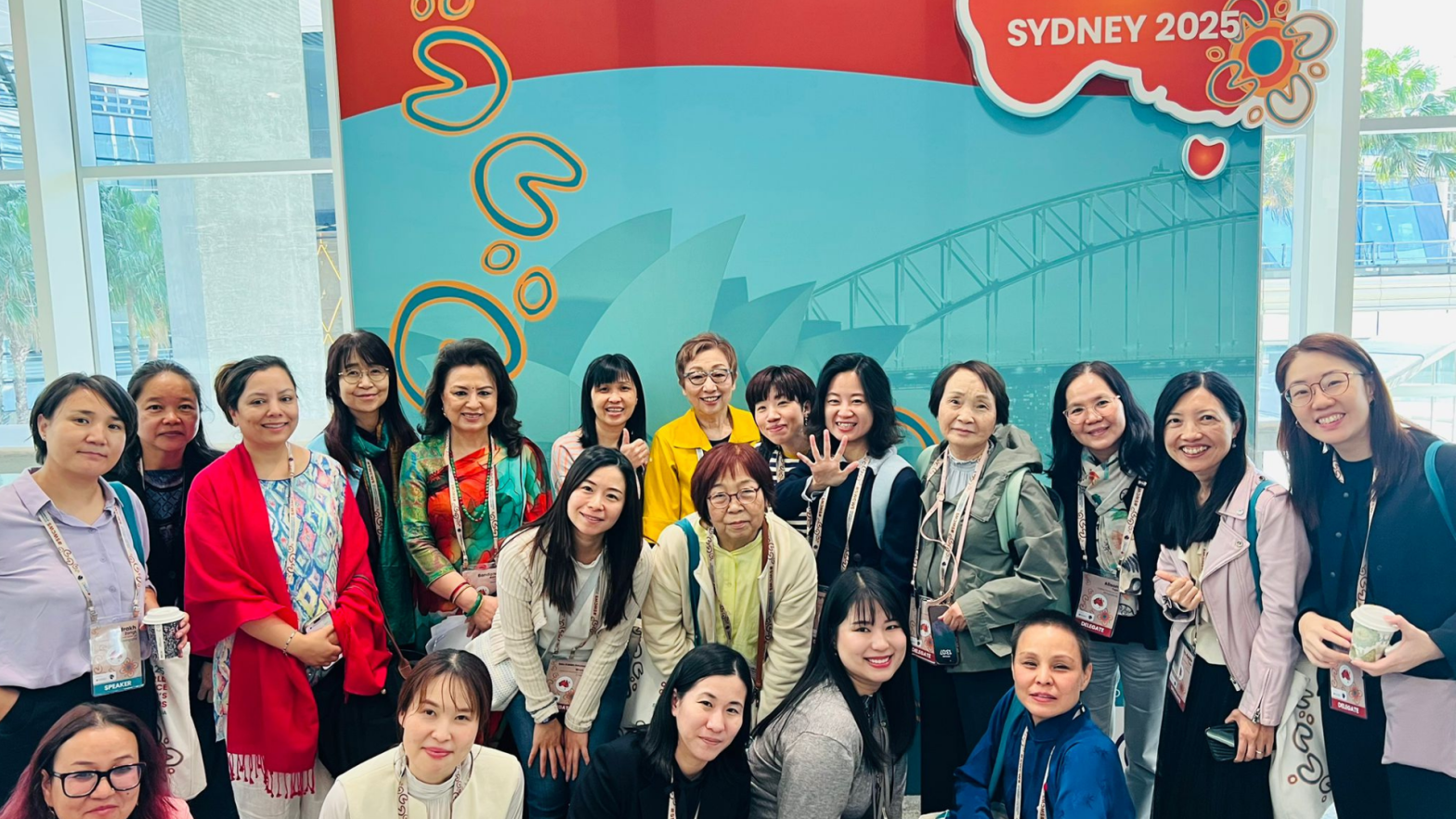
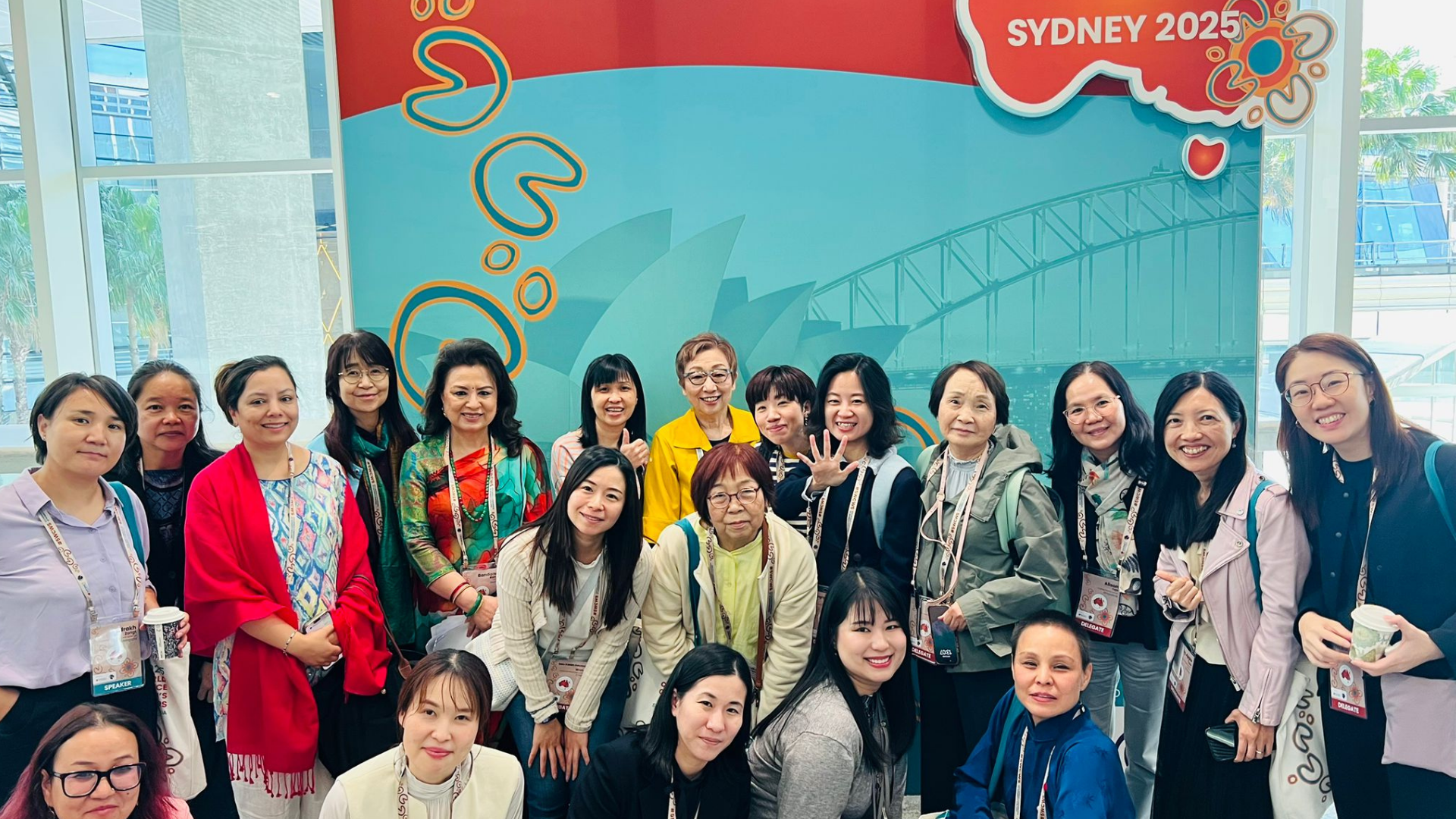
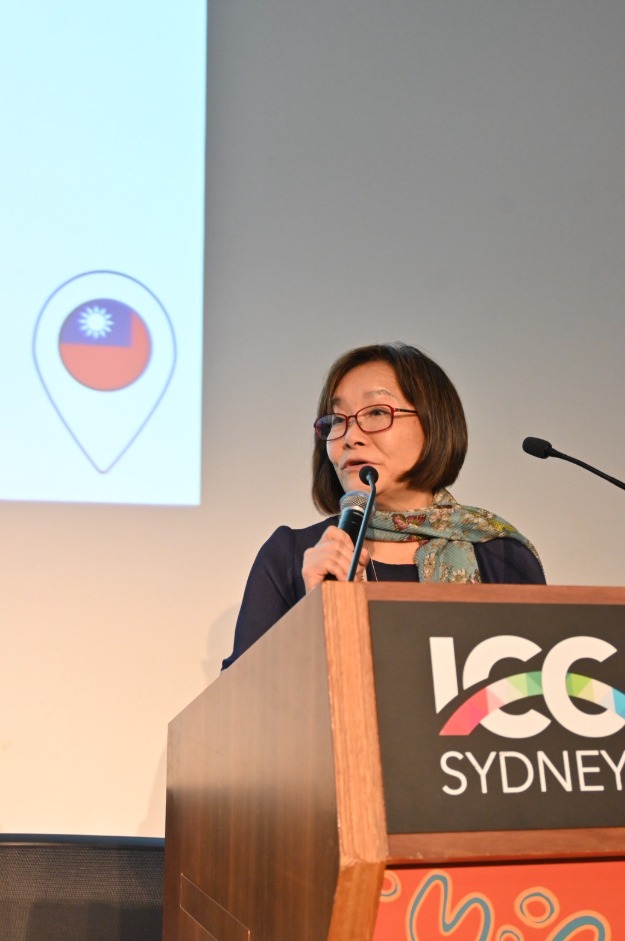
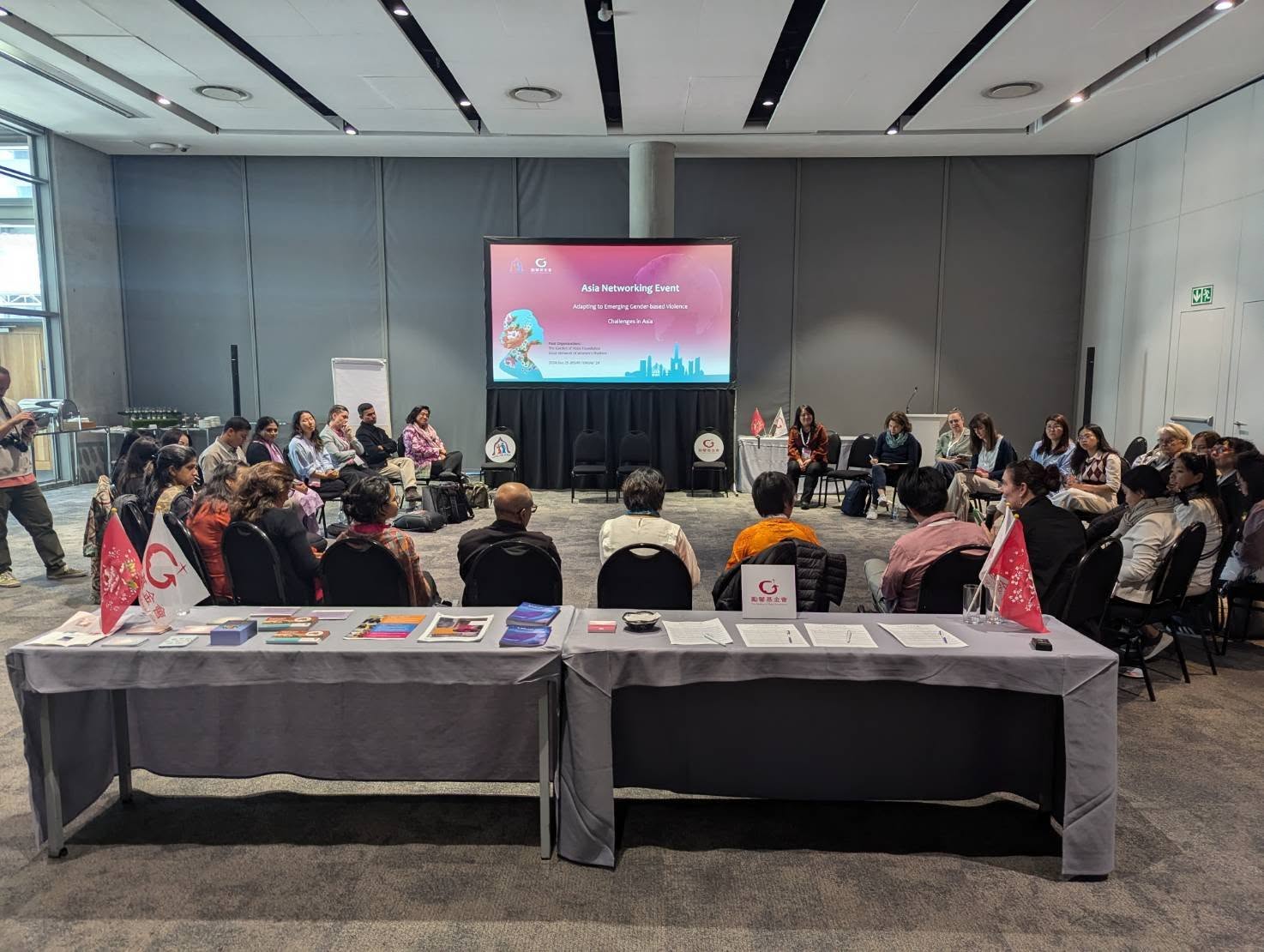
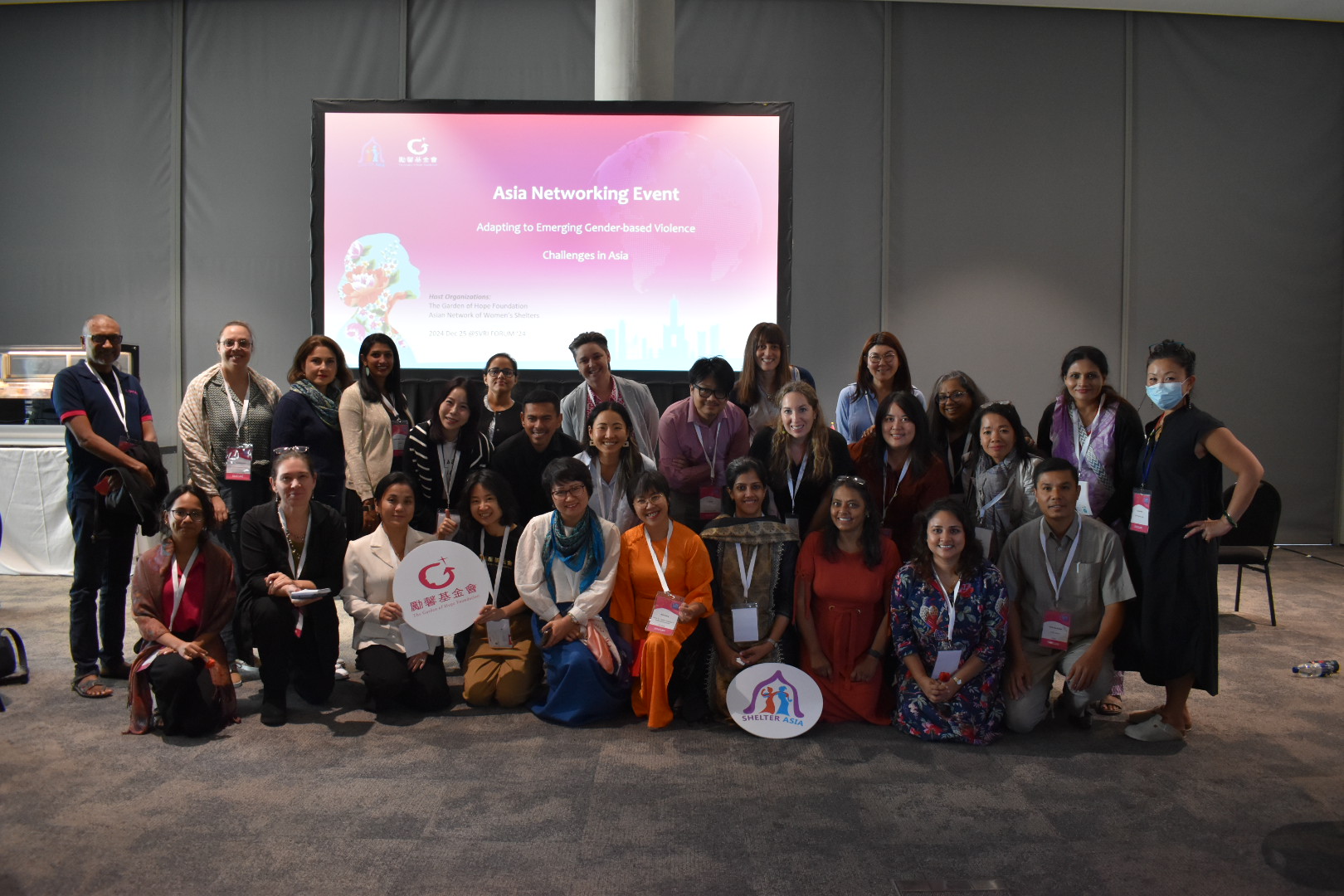
On September 16, the Asian Network of Women’s Shelters (ANWS), with the Garden of Hope Foundation as Secretariat, hosted the Asia Regional Get-Together during the 5th World Conference of Women’s Shelters (5WCWS).
This event has brought together 83 participants from across Asia—including shelter workers, doctors, government officials, lawyers, journalists, and students. Delegates came from Australia, Bangladesh, Cambodia, Hong Kong, Indonesia, India, Japan, Mongolia, Nepal, the Philippines, Singapore, Taiwan, Uzbekistan, and Vietnam—making it a vibrant gathering of voices and experiences.
Opening Reflections
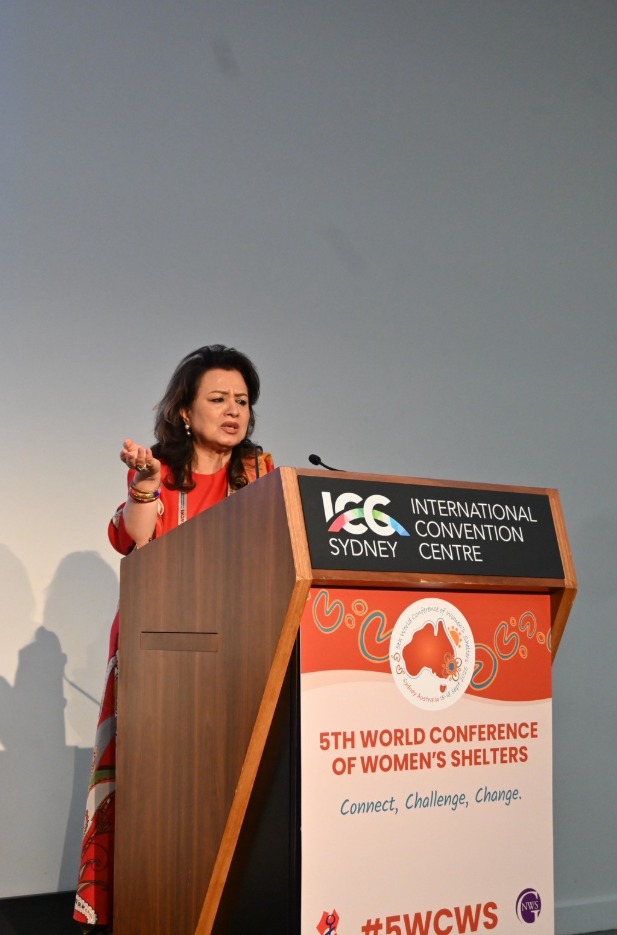
The session opened with inspiring remarks from Bandana Rana, Co-founder of Saathi in Nepal and member of the CEDAW Committee. She reflected on the evolution of shelters—from starting with limited resources to gradually gaining policy support and recognition—and highlighted the power of connection in driving meaningful change.
Sharing Best Practices
The program featured presentations from across the region:
Singapore Council of Women’s Organisations (SCWO) shared The GROW Project, an integrated family intervention program that supports survivors in building sustainable positive change while maintaining family relationships.
Uzbekistan’s “SABR” National Center presented its work on empowering rural women, providing legal protections, psychosocial and legal support, professional training, and economic assistance to help women rebuild independence.
Engaging Discussions
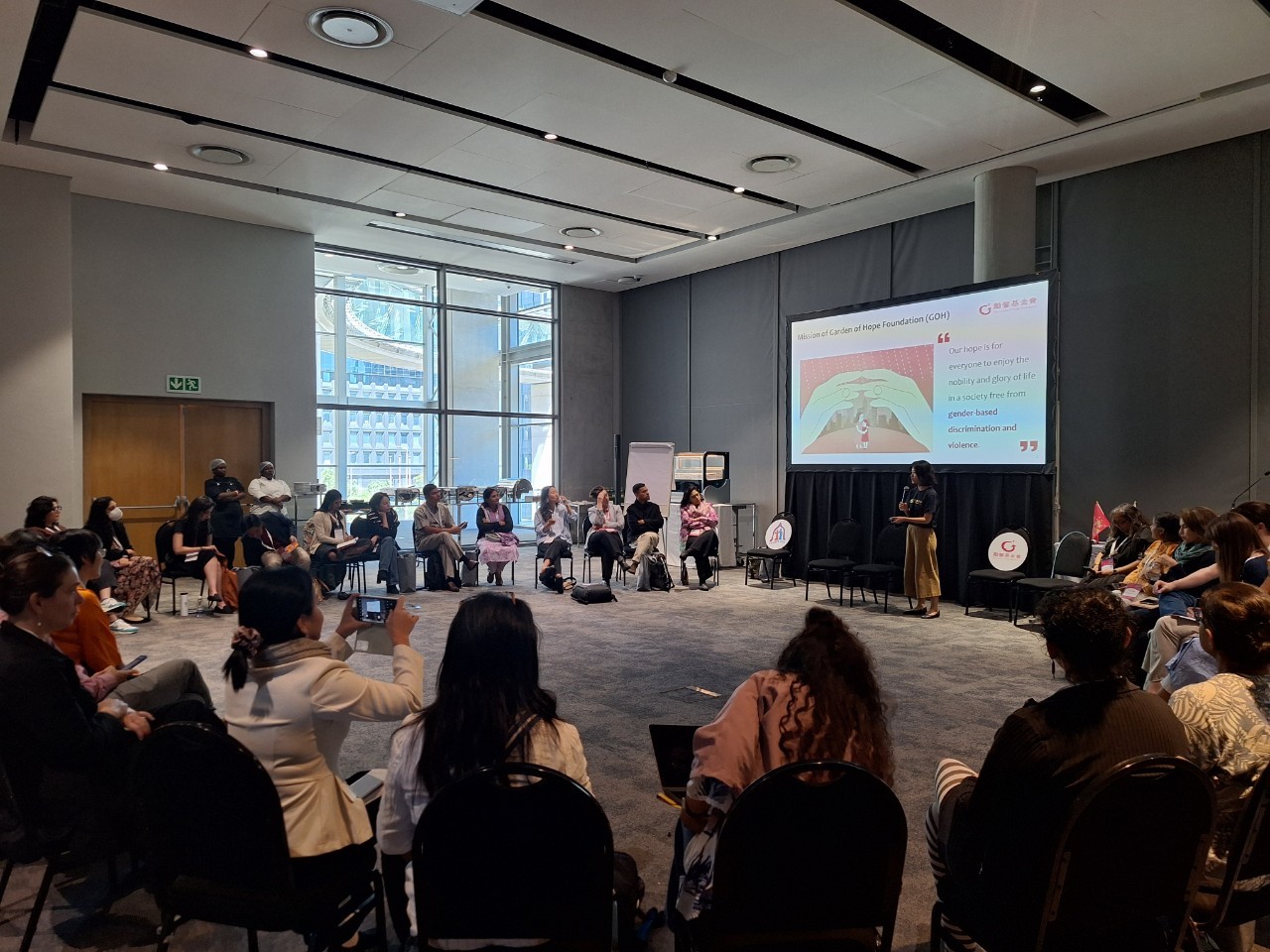
After the presentations, facilitators led small group discussions on prevention strategies, response services, the role of technology, and sustainable funding. These conversations sparked diverse perspectives and innovative ideas, reflecting the richness of cross-country collaboration. We sincerely appreciate the facilitators for their guidance and dedication, which made these discussions engaging and insightful.
Toward Regional Solidarity
The session wrapped up with closing remarks by Zoe Hui-Jung Chi, Vice Chairperson of Taiwan’s National Human Rights Commission, who echoed the conference theme: “Connect, Challenge, Change.” Her message emphasized the shared vision for stronger regional collaboration in ending gender-based violence.
A Platform for Change
By hosting this event at the 5WCWS, ANWS created a powerful space for dialogue, learning, and solidarity among Asian partners. The gathering not only showcased opportunities for cross-border collaboration but also strengthened our shared commitment to ending gender-based violence. We extend our heartfelt thanks to everyone who joined us—and we look forward to continuing this journey together at future gatherings.
The WCWS is the largest global conference led by and for grassroots organizations working to end gender-based violence (GBV). The 5WCWS will take place this September 15–18 in Australia. As the secretariat of ANWS and the host of the 4WCWS in 2019, GOH took this opportunity to convene both ANWS members and new allies across Asia to share their plans and updates for the 5WCWS. This was also a chance for organizations to ask questions and contribute their own ideas on how to best make use of discussion and networking opportunities provided by the conference.
Discussions
As this was a more information and announcement-oriented webinar, everyone remained in a large general meeting. The discussion agenda was as follows:
September 17 Plenary: Asia Report
Attendees were given an overview of the 5-minute Asia Report to be presented at the Sept 17 Plenary by GOH Chairperson Dr. Ay-Woan PAN.
Present an overview of the current GBV situation in Asian regions, supported by data and statistics
Acknowledge key efforts and achievements in GVB prevention by various organizations with specific details from our network partners
Highlight major new challenges and suggestions on how to approach them
Propose future directions in collective advocacy and reinforce the joint goals of the network
Overview of the Asia Presentation at 5WCWS
There will be around 13 presentations from Asian delegates during 5WCWS. These will focus on issues encountered in long-term shelter development and GBV prevention as well as the evolving needs of women’s shelters. There will also be progress reports covering the last few decades of advocacy work in various parts of Asia and networking opportunities. Featured presentations include:
Mongolia’s presentation on their past 30 years of work. They will cover the history and current situation of GBV in Mongolia, including the rising rates of violence against young girls and the effects of Covid 19. Their second presentation will focus on technology-facilitated GBV, covering the extent and nature of technology-facilitated violence and the challenges presented by it. They will also present figure policy recommendations and address media and education as well as the accountability and responsibility of technology providers.
Tajikistan will also present on technology-facilitated GBV and increased demand for support in this area. They will also address the new challenges presented by technology and present their research into and response to technology-facilitated violence.
South Korea on criminal legislation and the Digital Sexual Violence Act.
Taiwan on trauma-informed care in shelters and how it operates.
Japan on misogyny, nationalism, and ‘incel’ influence, and their second presentation focuses on survivor-led movements to reform Japanese justice systems. They will cover the history of survivor-led activism and its successes alongside the history of GBV law in Japan and the continued influence of patriarchal culture. Their presentation will also include their current efforts to educate policymakers and raise public awareness on issues of sexual violence.
During the conference-allotted time for regional get-togethers, ANWS will have their own space from 17:00 to 21:00.
The proposed timeline for the get-together:
– 5 mins: welcome and opening remarks – 10 mins: meet and greet – 30 mins: sharing of the best practices adopted by each organization, with priority given to those who did -not already share in their main presentations – 20 mins: volunteer-facilitated small group discussion over the next steps for regional coordination – 15 mins: wrap-up and sharing from each group – 5 mins: presenting of the Asia Report in preparation for the Sept 17 Plenary = 5 mins: Q&A/ closure
Booth Preparation and Other Logistics
During the conference, ANWS will have a booth from the afternoon of Sept 15 to afternoon of Sept 17. (Booth Number: 10)
Organizations are invited to supply their informative/promotional materials in English for display and outreach at the booth. The booth will need to be staffed by volunteers in 2-hour shifts, and organization members are encouraged to volunteer.
This webinar created a meaningful platform for both ANWS members and new friends to reconnect, reflect, and strategize. Most importantly, it brought us together under a shared purpose: to prepare a strong, united presence at the 5WCWS and beyond.
This webinar provided the opportunity for ANWS to go over final conference preparations and for individuals and organizations alike to present ideas to maximize our conference experience. It was also a chance for ANWS to catch up and be more familiar with each other’s work before the conference.
Let’s continue this momentum and work collectively toward a world free from violence. We look forward to seeing all our partners at 5WCWS and the changes we can bring together!
The WCWS is the largest global conference led by and for grassroots organizations working to end gender-based violence (GBV). The 5WCWS will take place this September 15–18 in Australia. As the secretariat of ANWS and the host of the 4WCWS in 2019, GOH took this opportunity to convene both ANWS members and new allies across Asia to share their experiences and ideas in preparation for the 5WCWS. The webinar served as an important step toward building collective goals and a unified presence for ANWS at the conference.
Group Discussions
To maximize interaction, participants were divided into three breakout groups, each led by a facilitator for a 30-minute discussion. Special thanks to our facilitators:
The key points from each group were shared in a full-group wrap-up. Here’s a summary of the insights gathered:
Experiences from Previous WCWS Events
Participants who attended previous WCWS events shared how valuable it was to:
Advocate to government representatives present at the conference.
Showcase their work and raise awareness about critical local issues.
Learn from over 100 countries about shelter practices and GBV interventions.
Bring back applicable knowledge and inspiration for their home organizations.
Goals for Attending the 5WCWS
Although many organizations are still navigating funding uncertainties and may be unsure about attending, this webinar provided a space to identify shared goals:
Strengthen the collective voice of Asian women’s organizations.
Fundraise jointly to overcome the financial barriers many grassroots groups face.
Learn from global peers, including new trends and tools in shelter management.
Engage in advocacy with regional and international decision-makers.
Build networks for ongoing collaboration and support.
Suggested Actions for ANWS
Participants also proposed several initiatives ANWS could take to help achieve these goals:
Diversify fundraising by seeking support from the private sector and international donors to enhance resilience and sustainability.
Host knowledge-sharing events, such as webinars or workshops, to highlight successful programs and foster learning.
Support grassroots participation in major conferences like WCWS by mobilizing funding.
Organize capacity-building sessions on shelter operations, organizational management, and other core skills.
This webinar created a meaningful platform for both ANWS members and new friends to reconnect, reflect, and strategize. Most importantly, it brought us together under a shared purpose: to prepare a strong, united presence at the 5WCWS and beyond.
One participant summed it up beautifully:
“This is a great initiative. We must come together on issues concerning women and children. Collaboration will help amplify our voices.”
Let’s continue this momentum and work collectively toward a world free from violence.
This forum featured 6 speakers from six different organizations and countries which are divided into 3 groups. To facilitate the cross-generational communication, there are 1 young activist and 1 experienced activist both fighting for female or LGBTQA+ issues in each group.
From Personal Experiences to Advocacy: The Growth and Persistence of Cross-Generation Women Advocates
Speaker:
Regina Ghartimagar, Nepalese Girl Activist, Nepal
Matcha Phornin, Founder of The Sangsan Anakot Yawachon Foundation, Thailand
Regina initiated the “Girls’ Empowerment Program (GEP)” which aims to empower girls by pairing them with mentors to help them develop their careers or shine in fields they are passionate about. Macha shared her efforts in nurturing young Indigenous female activists to speak out for their community and advocate against violence. She also provides a safe space for LGBTQIA+ individuals to organize outdoor activities and advocates externally for the fight against inequality.
During the discussion, the speakers shared their motivations for becoming women’s rights advocates. Regina mentioned the severe gender discrimination in her hometown and the skeptical voices during her promotion of gender equality. Macha responded by sharing her experience with domestic violence in her childhood drove her to become an activist. She believes that if girls receive higher education, they will have more power to speak up for themselves.
From Individual Support to Policy Change: Expanding the Impact of Social Movement
Speakers:
Tandin Wangmo, Bhutanese Girl Activist, Bhutan
Yueh-Hao Wang, CEO at the Garden of Hope Foundation, Taiwan
Tandin initiated the “Ripples of Growth Program”, which focuses on mental health issues among college students. Through a simple survey, the program explored the reasons why students may not seek help from school counseling resources. Using methods she learned from participating in the Asian Girls Empowerment Program (AGC), she created a safe space for participants to express themselves, helping to raise awareness about the importance of mental health. Wang Yueh-Hao, CEO of GOH, reflected on the 1993 Anti-Child Prostitution Movement, which shifted the issue of child sexual exploitation from a public security concern to a children’s rights advocacy. The movement also changed the traditional approach of protests by organizing a jogging event, which expanded participation and, in turn, increased government attention to the issue.
During the discussion session, Tandin asked Yue-Hou about the motivation behind her commitment to social movements. Yue-Hou responded that social movements can influence government policies and legislation, thereby benefiting more people. Tandin also pointed out that during the execution of a program, cultural and language barriers might arise, making it a significant challenge to get participants to open up and share their thoughts. However, these challenges have ultimately strengthened her ability to communicate and collaborate more effectively.
From Community Action to Systemic Change: A Dialogue on Diverse Advocacy Approaches
Undariya Tumursukh, Advisor to MONFEMENT National Network and The Mongolian Women’s Fund, Mongolia
Zeinab initiated the Reaching the Unreached program, which focuses on the issues of child marriage and forced marriage. She personally goes into villages to reach those girls who need help and encourages them to continue their education. In terms of advocacy, she uses community activities and collaborates with relevant government departments and schools to secure resources and engage in grassroots advocacy. Undariya shared that at the end of 2007, the Mongolian Parliament suddenly canceled the reserved seats for women in elections. Her organization, along with female lawmakers, other organizations, and male and female community partners, held public hearings, made presentations domestically and internationally, and organized press conferences to submit opinions to Parliament. Although Parliament ultimately went ahead with canceling the reserved seats for women, the movement still succeeded in raising public awareness about women’s rights and democracy.
During the discussion session, Both Zainab and Undariya agreed that during the advocacy process, many difficulties and obstacles are encountered, and the outcomes may not always be as expected. However, when everyone is willing to face and overcome these challenges one by one, it is possible to make an impact and bring about change.
Cross-Generational Collaboration: Merging Experience and Innovation to Advance Women’s Movements
During the general panel discussion session, the host asked the speakers how to promote cross-generational collaboration among female activists and how to create more effective change. Summarizing the speakers’ responses, senior activists bring rich experience, while the younger generation has the ability to innovate and use digital tools. If communication between the two groups can be increased, the results are likely to be more fruitful. Specific actions include ensuring a high level of youth participation in activities, maintaining an open mindset, understanding and embracing each other’s differences, and nurturing the younger generation in a positive way. The CEO of the GOH mentioned that the Asian Girls Empowerment Program (AGC) is an example of nurturing the younger generation.
The forum focused on sharing experiences and insights into strengthening women’s movement through cross-generational unity. Despite the tight schedule, our audience remained highly engaged and expressed gratitude towards GOH and ANWS for co-hosting this insightful discussion. Special thanks to all the speakers and organizations who dedicated their support for the survivors and contributed to this incredible conversation!
Did you miss the live session? You can catch the replay on YouTube: Video Link
Thank you to everyone who participated and supported this important dialogue. Let’s continue working together to create a world free from violence!
On October 25, at the SVRI Forum’s final day, the Garden of Hope Foundation held a special exchange event for gender-based violence advocates from across Asia. This gathering allowed regional experts and researchers to discuss the latest trends and challenges, fostering connections to strengthen gender-based violence (GBV) prevention networks across Asia.
The event welcomed key representatives from leading organizations, including:
UNFPA: Sujata Tuladhar shared updates on a 2022 digital gender-based violence study, calling for collaboration across Asia
UNICEF: Sunita Palekar Joergensen, GBV program expert for East Asia
Discussions underscored the need for an Asia-based GBV alliance to promote mutual learning and amplify the voices of smaller organizations advocating for regional support. However, participants noted the challenge of maintaining such an alliance, as it requires sustained resources and workforce.
However, maintaining this alliance will require consistent resource and workforce investment. Participants expressed their gratitude to the Garden of Hope Foundation for its long-standing dedication to anti-gender-based violence networks in Asia. We are honored to receive recognition from UN representatives during this event and will continue to foster transnational dialogues at various forums, supporting the unity of anti-gender-based violence professionals worldwide.
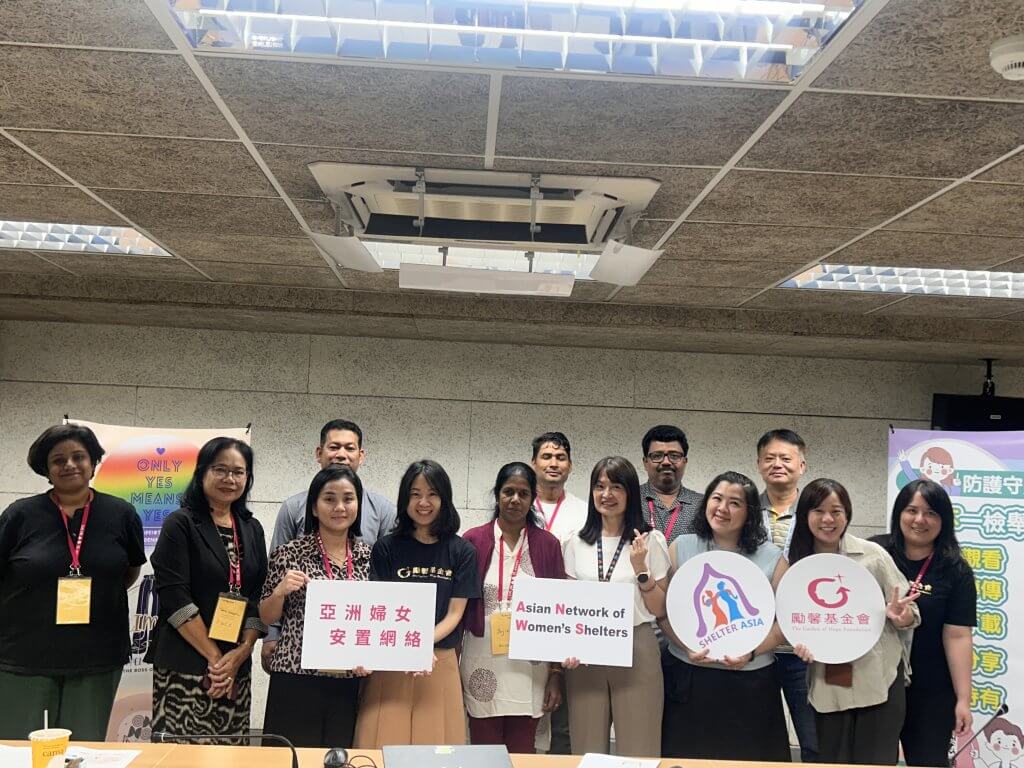
In August 2024, members of the Asian Network of Women’s Shelter visited Taiwan to learn about the framework for domestic violence prevention. Following in September, the Garden of Hope Foundation once again invited members of the Asian Women’s Shelter Network, with representatives from government agencies and non-governmental organizations from Bangladesh, Nepal, Sri Lanka, and Cambodia, to study Taiwan’s handling and prevention of sexual assault.
Gentle support for decades: GOH has become a source of strength for survivors of sexual assault
The CEO of the Garden of Hope Foundation, Wang Yuehao(王玥好), introduced the foreign guests to the development of sexual assault services in Taiwan.
First, the CEO of the Garden of Hope Foundation, Wang Yuehao(王玥好), introduced the foreign guests to the development of sexual assault services in Taiwan. The CEO began by discussing how the murder of Peng Wanru(彭婉如) sparked advocacy for revisions to the Sexual Assault Crime Prevention Act, highlighting Taiwan’s growing emphasis on sexual autonomy. This provided the visitors with an overview of the development of Taiwan’s sexual assault prevention framework.
However, in practice, the Garden of Hope has identified several systemic issues that need to be addressed. For instance, many sexual assault cases occur during the victim’s childhood, but by the time the victim reaches adulthood, the statute of limitations has often expired, allowing perpetrators to go unpunished. In response, the Garden of Hope has been actively advocating for the statute of limitations for childhood sexual assault cases to begin at adulthood in order to better protect the rights of victims.
In terms of services, Li Ruyu(李如玉), supervisor of the Taipei Dandelion Counseling and Sexual Trauma Recovery Center, and Wang Jiawen(王佳文), supervisor of child sexual assault services in Taipei, gave a detailed presentation to the guests on the foundation’s services for sexual assault victims.
The Dandelion Counseling and Sexual Trauma Recovery Center, established in 1994, was the first professional sexual assault counseling center in Taiwan. By utilizing the concepts of “significant others” and the “inner child,” the center provides individual and group counseling to survivors, offering a safe haven for their emotional healing.
For child sexual assault cases, the Garden of Hope works closely with hospitals, law enforcement, and other agencies to assist victims with medical examinations and reporting the crime, ensuring the protection of those who have been traumatized. In recent years, GOH have observed that many sexual assault cases involve perpetrators known to the victims, making “relationship issues” a key focus of the work of the GOH. Additionally, the GOH has recognized the complexity of trauma in sexual assault survivors, realizing that simple conversations may not be sufficient to help. As a result, they have begun developing body-oriented therapeutic approaches in recent years.
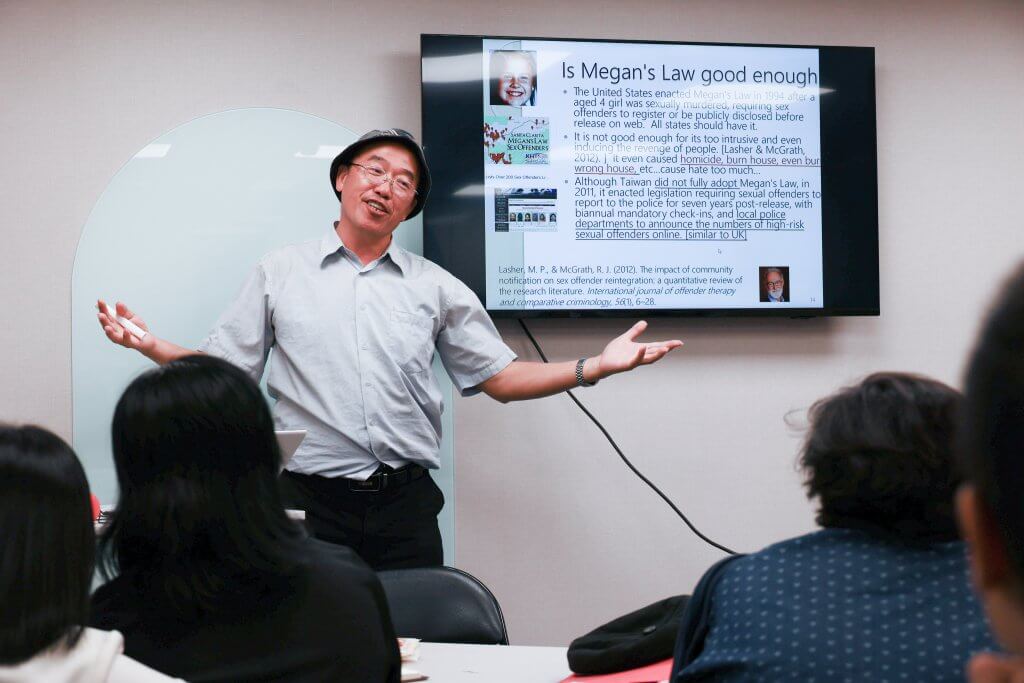
In addition to services for victims, GOH also specially invited Professor Lin Mingjie(林明傑) from the Department of Criminology at National Chung Cheng University to discuss how Taiwan addresses sexual assault perpetrators.
Professor Lin Mingjie from the Department of Criminology at National Chung Cheng University talking about how Taiwan addresses sexual assault perpetrators.
Starting with the definition of sexual violence, Professor Lin believes that a perpetrator’s sense of loss of power is the root cause of sexual violence. He also introduced measures for preventing recidivism among sexual assault offenders, including risk assessments, treatment programs, and gender equality education.
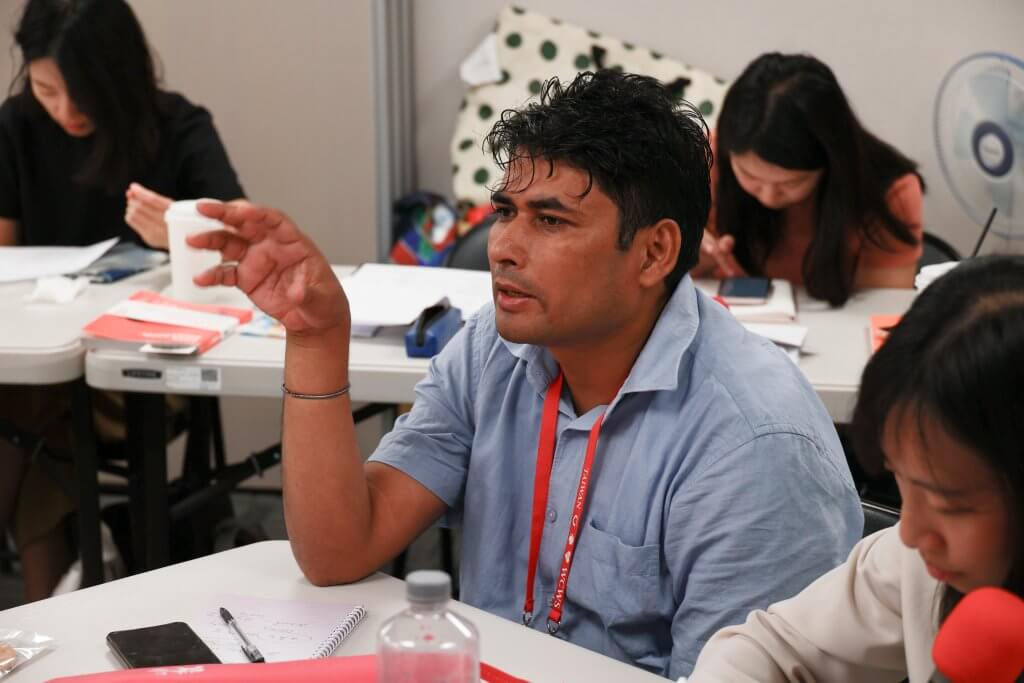
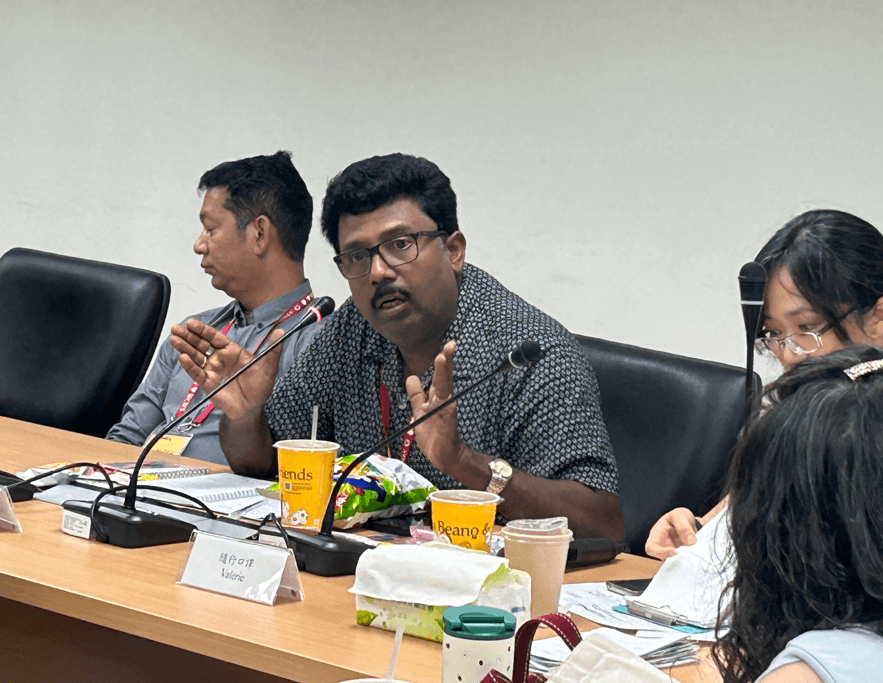
The foreign guests actively provided feedback and asked questions about Taiwan’s sexual assault service framework. Their inquiries included how to advocate for gender equality, how to establish professional standards for counselors, and the reporting mechanisms for sexual assault cases in Taiwan. One notable question came from Santosh, a representative of the Nepalese women’s organization Saathi, which raised a significant issue during the discussion.
Santosh, a representative of the Nepalese women’s organization Saathi, which raised a significant issue during the discussion.
“In Nepal, sexual assault victims are often subjected to social discrimination. Does Taiwan face similar situations?” Santosh asked.
“In the past, such a situation was common in Taiwan. However, we have found that in recent years, the number of young people who think this way has been slowly decreasing, but GOH will continue to advocate for this, and this is the direction we have been working in.”
International Cooperation in Combating Digital Sexual Violence is Essential
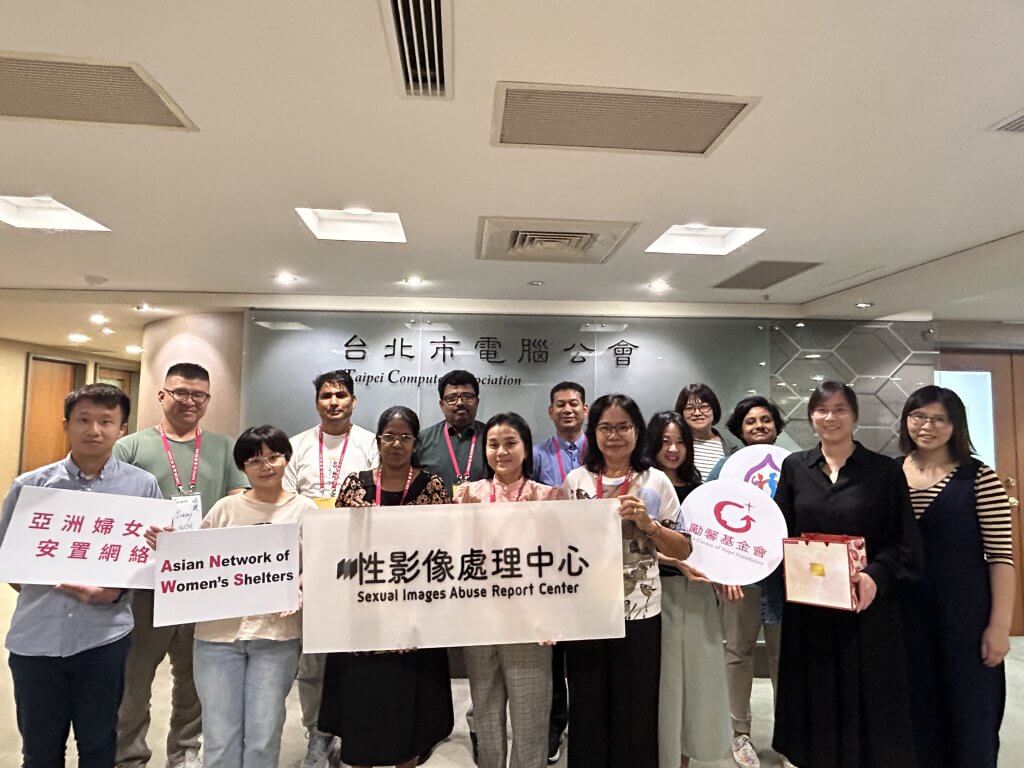
ANWS delegates having a photo infront of the Sexual Image Abuse Report Center
With the widespread use of technology, cases of digital sexual violence have surged globally in recent years. Taiwan, despite its technological advancements, is not immune to this issue.
TheTaiwan Women’s Rescue Foundation (TWRF)has significant experience in supporting victims of digital violence. During a recent presentation, Supervisor Tseng Chun-Wei (曾峻偉) discussed the definition of digital sexual violence and shared insights from TWRF’s casework. He noted that many victims of digital violence experience learned helplessness, largely due to their inability to control the continuous distribution of their private images. As a result, they often blame themselves and become trapped in negative emotions such as anxiety, fear, and guilt.
“The only way to rescue a victim of digital sexual violence is for them to stop blaming themselves,” said Mr. Tseng.
This is why TWRF has been working closely with survivors to help them rebuild their courage in the face of adversity.
TWRF Supervisor Tseng taking about digital sexual violence
A key player in Taiwan’s fight against digital sexual violence is theSexual Image Abuse Report Center (SIARC). Established in 2024, SIARC is responsible for the removal of sexual images throughout Taiwan. Liu Yujun (劉昱均), SIARC’s project manager, introduced the center’s services, which include legal consultations related to digital sexual violence, education on evidence preservation, and mechanisms for removing sexual images. Liu also highlighted the StopNCII program, a defense tool that converts private images into codes, allowing automatic detection and prevention of those images from being uploaded to social media platforms—a crucial step in combating digital sexual violence.
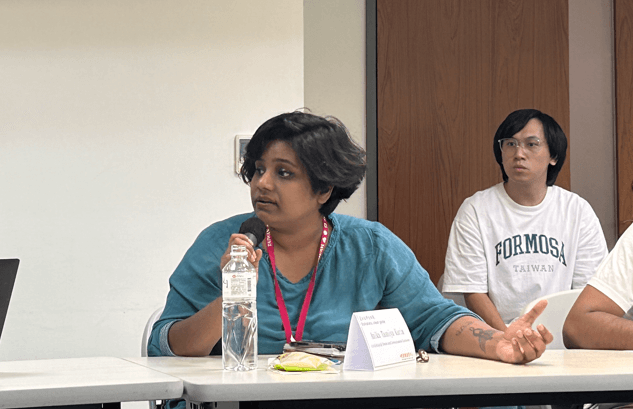
Digital sexual violence is a global crime problem. Delegates at the event paid close attention to Taiwan’s approach, noting its potential as a model for other countries. Anika, a representative from Bonhishikha Unlearn Gender, a women’s organization in Bangladesh, shared the challenges her country faces.
Anika, a representative from Bonhishikha Unlearn Gender, a women’s organization in Bangladesh, shared the challenges her country faces.
“Although we have a digital security law in Bangladesh, it is not well enforced, and many people are unaware that they can seek help under it,” Anika explained.
The discussion also emphasized that the true horror of digital sexual violence lies in the global spread of intimate images via the internet. Even if a victim’s country blocks the content, the images can continue to circulate worldwide. In response, SIPC noted that international cooperation is essential for removing these illegal images across borders. Only through collaboration between governments can the rights of victims be truly protected.
Public-Private Partnerships Spare No Effort to Support Survivors of Sexual Violence
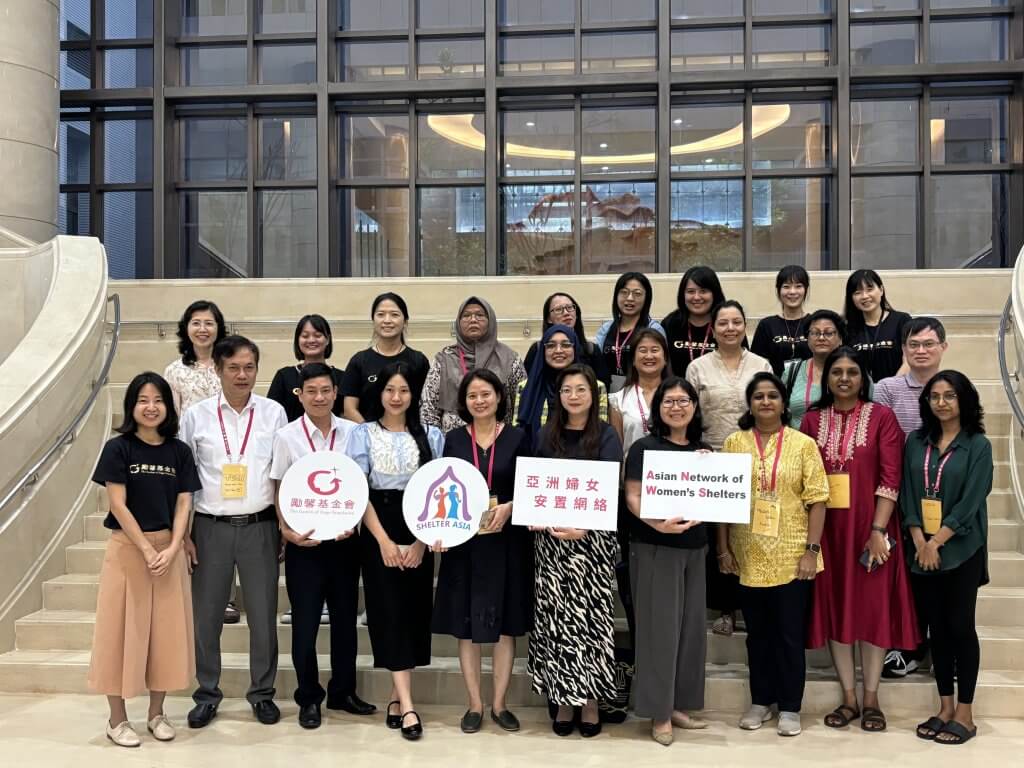
ANWS delegates having a group photo in Taipei Domestic Violence and Sexual Assault Prevention Center
In Taiwan, collaboration between civil society organizations, such as the Garden of Hope Foundation (GOH), and public sector units like Social Affairs, the Police, and the Judiciary, forms the backbone of the country’s sexual assault prevention and treatment framework. This partnership is essential in providing comprehensive support to survivors of sexual violence.
The Taipei Domestic Violence and Sexual Assault Prevention Center is the frontline of support for survivors. Ms. Liu Yi (劉懿), head of the Sexual Assault Protection Unit, introduced Taipei City’s sexual assault prevention and treatment services to international guests. She detailed the city’s approach, which includes four key areas of focus: integrated services, victim recovery counseling, perpetrator recidivism prevention, and advocacy for prevention. Her presentation provided a thorough overview of Taiwan’s victim-centered sexual assault protection system.
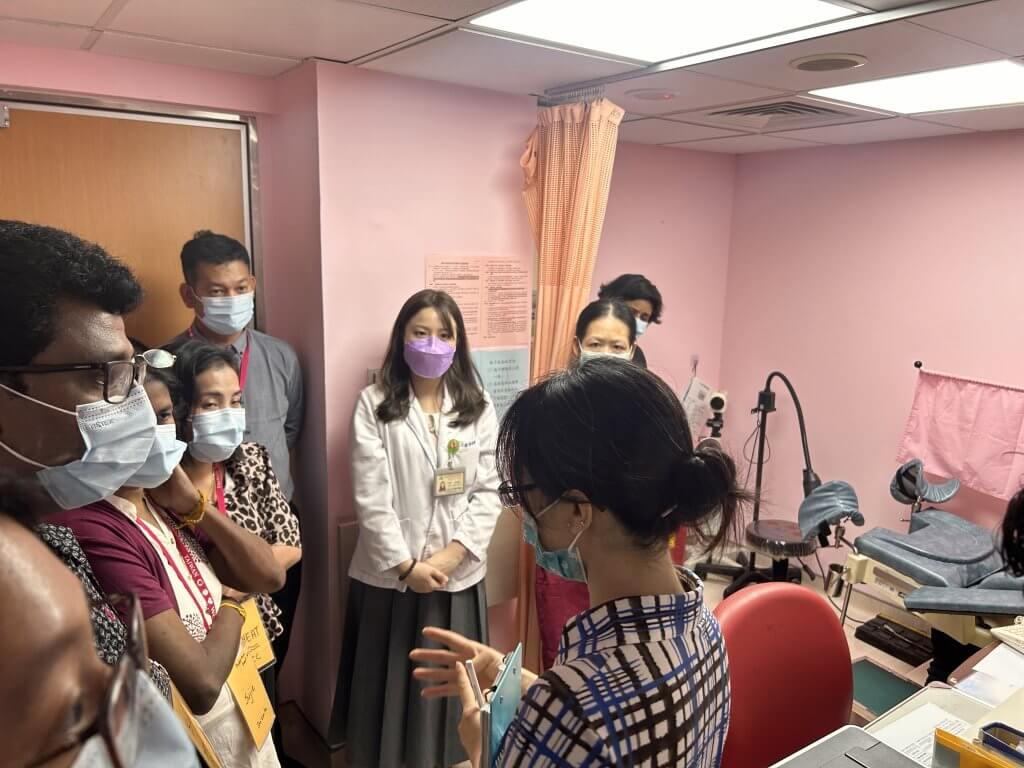
Taipei City Hospital’s Women and Child Branch was the first hospital in Taiwan to implement a “one-stop service.” This initiative was designed to minimize the secondary trauma survivors face when they must recount their experiences multiple times to various agencies, such as the police, the Family Prevention Center, and the District Attorney’s Office. The one-stop service streamlines these processes, allowing victims to receive medical exams and give statements in one location, which aids in the subsequent trial process. During the visit, guests toured the hospital’s emergency room and interview room, gaining a firsthand understanding of how these services are applied in practice.
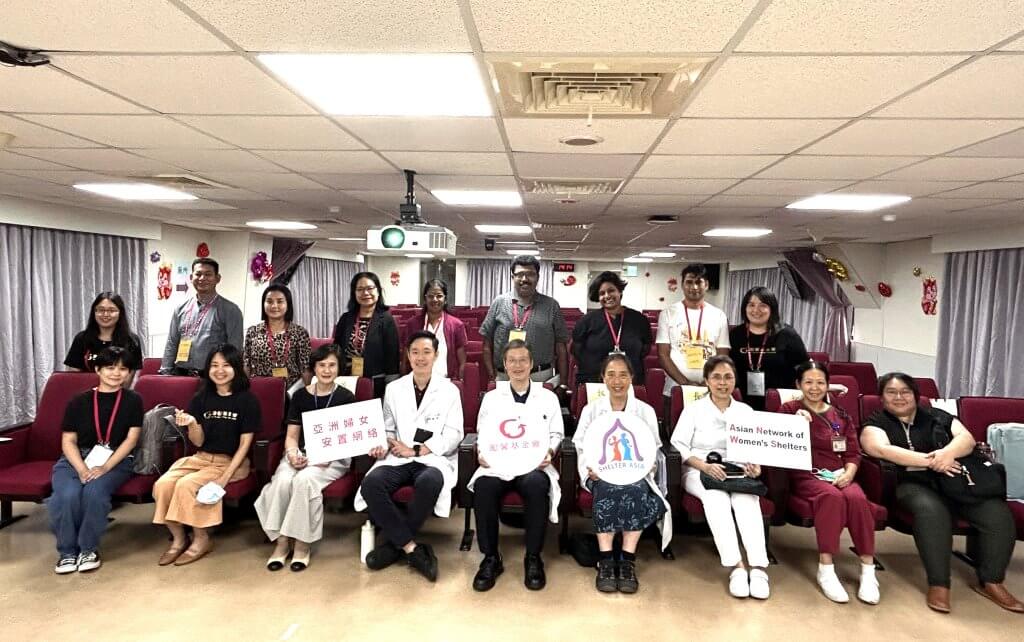
Delegates toured the hospital’s emergency room and interview room, gaining a firsthand understanding of how these services are applied in practice.Delegates taking group picture with staff members of Taipei City Hospital’s Women and Children Branch after the presentation of their work
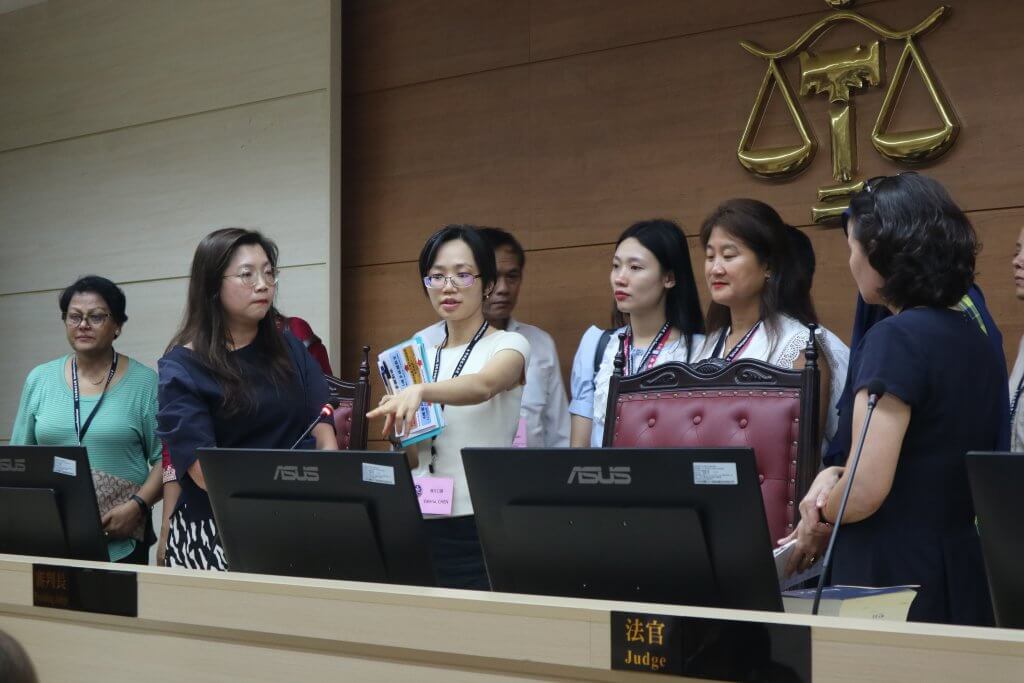
Sexual assault is considered a serious crime in Taiwan. Cases are ultimately referred to the prosecutor’s office to ensure the judicial protection of victims’ rights. To gain insight into how Taiwan’s judicial system handles sexual assault cases, the delegation visited the Shilin District Prosecutor’s Office, where Chief Prosecutor Chen Jen-Huei (陳貞卉) provided a tour of key areas, such as the investigation court, identification room, and the war situation command room. She also highlighted how the judiciary has adapted to the rise of digital sexual violence by adding a new chapter on sexual image crimes in 2023, underlining the growing significance of legal measures against this emerging form of violence.
The guests expressed interest in Taiwan’s sexual assault protection system, particularly in areas like treatment for transgender individuals and vulnerable groups such as children, as well as the broader victim treatment programs. They also shared insights into the challenges their own countries face.
Suki, a representative fromJSAC (Sri Lanka), discussed the issue of women’s resettlement in shelters.
Suki, a representative from JSAC Sri Lanka, discussed the issue of women’s resettlement in shelters.
“In Sri Lanka, women who are victims of sexual assault are usually placed in shelters. However, due to the short sentences for sexual assault perpetrators, once they are released, victims often feel frustrated because they remain confined in shelters while their attackers regain their freedom.”
Santosh, from Nepal, shared the difficulties faced by sexual assault victims in his country.
“In Nepal, many victims avoid using the word ‘rape’ or refuse to go to court, leading to cases being hastily concluded. Additionally, many women are hesitant to speak up about what happened to them due to the fear of being accused of seeking financial gain.”
Deepening Community and Neighborhood Efforts: Hua Young Service Center Focuses on Emotional and Diversity Inclusion
Delegates having a group photo with Hua Young Sevice Center spervisor Cheng Hsinyu and MDSVPC supervisor Chen Hao-Hsun
Located in Sanchong, New Taipei City, the Hua Young Service Center is an emotional education hub for young people, established by the Garden of Hope Foundation (GOH) in partnership with the New Taipei City Government. Through various activities and educational outreach, the center offers adolescents opportunities to explore and learn about gender and emotional relationships.
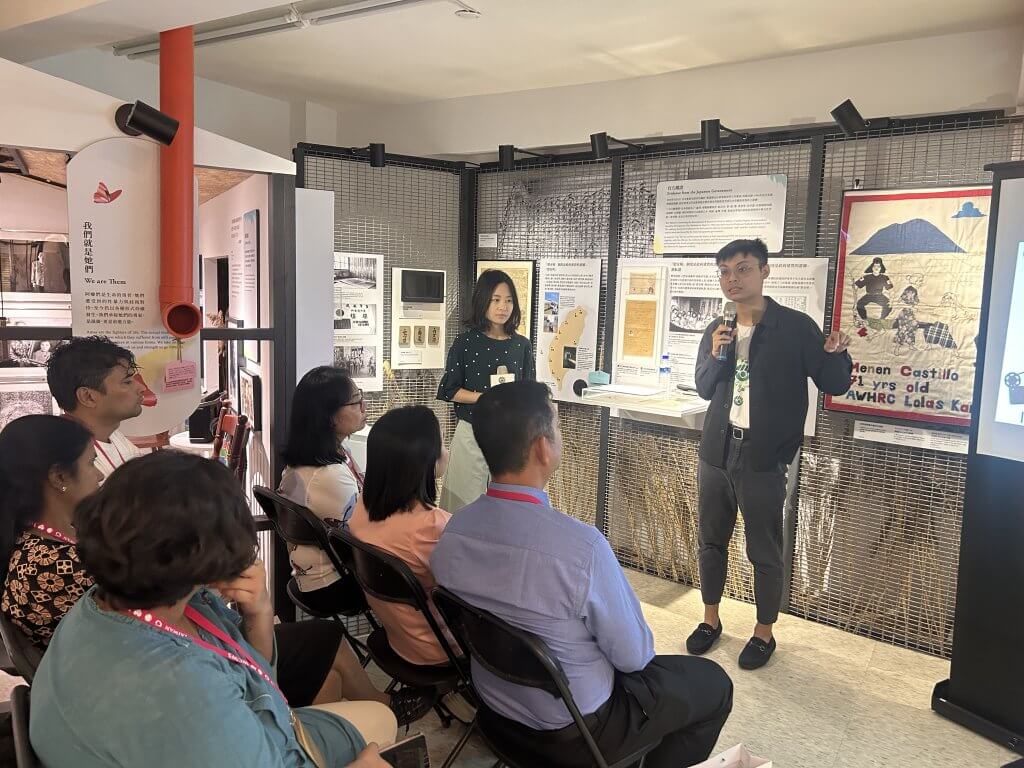
Ms. Minjuan Tsai (蔡旻娟), a social worker at the Flowering Youth Center, gave an overview of the center’s work and led the guests on a tour of the emotional education area. One highlight of the tour was the “Mirror Room,” which sparked the curiosity of the visitors. The Mirror Room is designed to encourage young people to look at themselves, fostering self-recognition, self-understanding, and self-acceptance.
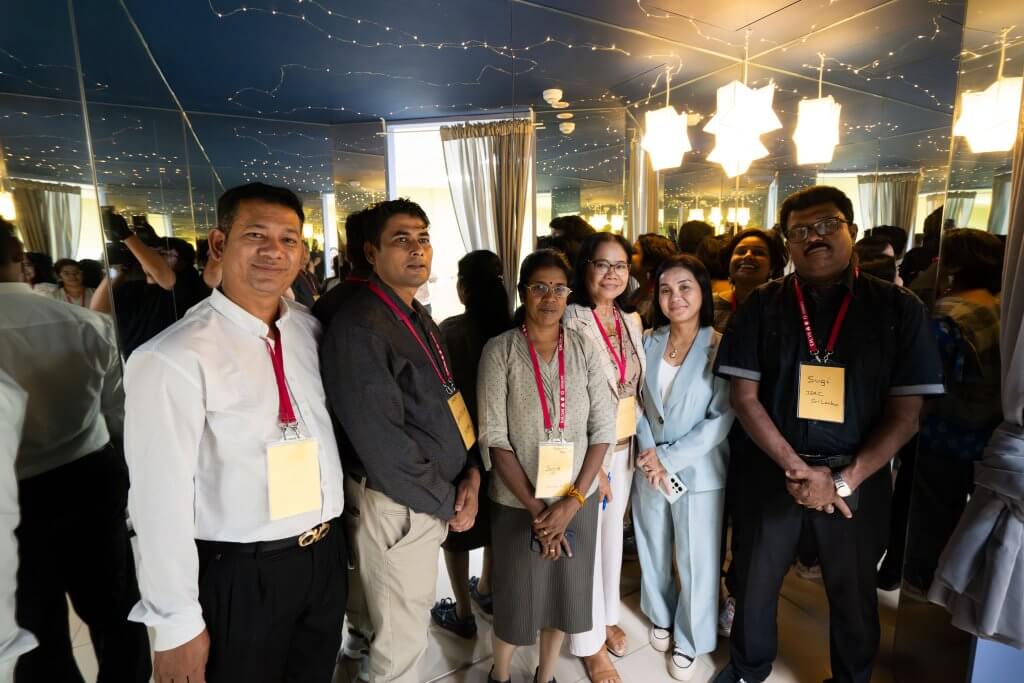
Delegates having a group photo in Mirror Room
In addition to providing gender and emotional education for youth, GOH has recently identified a growing need to support gender-diverse communities. To meet this demand, they established theMultiple Discrimination and Sexual Violence Prevention Center(MDSVPC)with the aim of ensuring that no one in the community, especially those marginalized, is left without services.
Ms. Chen Hao-Hsun (陳鶴勳), the supervisor of the MDSVPC, introduced the center’s services to the guests, emphasizing their role in helping individuals recover and regain self-reliance. The center also advocates for the rights of those excluded by societal systems, ensuring that no one is overlooked.
After the presentation, GOH and the visiting delegation engaged in a meaningful exchange about the services offered, including whether the Hua Young Service Center provides gender and emotional education for parents, and the general attitudes of Taiwanese teenagers toward sexuality. Sopheak, director of the Cambodian Ministry of Victim Protection, shared insights about the challenges of same-sex marriage in Cambodia.
“In Cambodia, although same-sex couples can marry, they cannot obtain a marriage certificate, which means they are denied the same rights as heterosexual couples,” Sopheak explained.
Sopheak, director of the Cambodian Ministry of Victim Protection, shared insights about the challenges of same-sex marriage in Cambodia
Taiwan’s achievements in gender equality rank among the highest globally, and its comprehensive sexual assault service framework is viewed as a model for other nations. The guests expressed admiration for Taiwan’s work in this area and voiced their desire for closer collaboration, particularly in areas like talent development and regular exchanges of experiences to improve their own systems.
GOH has long been dedicated to sexual assault protection services and, in recent years, has worked to share Taiwan’s experiences with the international community. Moving forward, GOH will continue its role as a protector of sexual violence survivors and looks forward to partnering with other countries to build a world free from gender discrimination and violence.
From August 12 to 15, the Garden of Hope Foundation invited leaders of domestic violence NGOs and government officials from Vietnam, Malaysia, India, and Nepal to Taiwan to learn from Taiwan’s domestic violence prevention and treatment framework, hoping to work together to promote gender equality in Asia.
From Tragedy to Triumph: How a Husband’s Murder Led to a Pioneering Domestic Violence Law and the GOH Foundation’s Support for Victims
“Taiwan’s domestic violence law was sparked by a husband-killing case.” The first day of the study visit began with an introduction to the history and overall structure of domestic violence prevention and treatment in Taiwan. Starting with the case of Ms. Ruwen Deng, whose husband’s murder shocked Taiwanese society at the time, Ms. Yueh-Hao Wang, CEO of the GOH Foundation, explained the progress of Taiwan’s domestic violence services over the past 30 years. Over the years, with the promotion of women’s rights organizations such as the GOH Foundation, domestic violence is no longer seen as a family problem but as an issue shared by the whole society. In recent years, emerging issues of violence, such as domestic violence in same-sex couples and digital sexual violence, have also been brought under the protection of domestic violence laws through the efforts of women’s rights organizations.
Next, Ms. Mengxin Yeh, Director of the GOH Miaoli Branch, introduced the GOH’s efforts in domestic violence services to the guests.
“Helping victims is not just about solving the problem of violence, but also about helping them become whole again, to find themselves, and to be there for themselves,” Ms. Yeh shared with the guests.
Finally, Mr. Huang Jiekai, Director of World Vision Taiwan introduced Taiwan’s 113 Hotline to the guests. He talked about how 113 has become the most familiar helpline in Taiwan and how important it is in preventing and treating domestic violence in Taiwan.
The representative of India asking a question during the seminar
“What are some of the difficulties you are currently experiencing in helping your clients become self-sufficient?”
Sajitha, a representative of the International Crime Prevention and Victim Care Foundation (PCVC) from India, asked this question during the discussion session. She shared her experience of working with victims of domestic violence in India and mentioned that she found it challenging to help them truly regain their independence.
“In Taiwan, it is also very difficult to get our clients to stand on their own, but we are there for them, showing them what we can do to help. However, some things they still have to do on their own,” Ms. Meng replied.
From Supporting Victims to Addressing Perpetrators: Taiwan’s Comprehensive Domestic Violence Services
The delegates having group photo in Taipei City Domestic Violence and Sexual Assault Prevention Center
The Taipei Domestic Violence and Sexual Assault Prevention Center (TDVSAPC) is the frontline unit that handles domestic violence cases in Taipei City. The center’s social workers took the guests on a tour of their workplace, including the crisis response room and the children’s play therapy room, and shared both the joyful and challenging moments of their work.
The social worker supervisors of the center then gave a presentation about child and adult protection services in Taiwan. They introduced the domestic violence law, enacted in 1998, which has become increasingly comprehensive. For example, the scope of protection has widened, covering children who witness violence, adolescents, non-cohabiting intimate partners, and family members in same-sex marriages. In addition, the TDVSAPC introduced the current situation of domestic violence in Taiwan. In adult protection cases, intimate partner violence remains the most common, but there has been a noticeable increase in elder abuse cases, often caused by caregiver stress. This highlights the importance of expanding long-term care resources in Taiwan.
The center emphasized that the prevention and treatment of domestic violence is no longer just a family issue but requires collaboration among various sectors, including the police, social services, justice, education, healthcare, and community resources. This teamwork is vital for effectively preventing and addressing domestic violence and ensuring survivors receive the support they need to recover.
In addition to visiting TDVSAPC, which focuses on survivor services, the guests also visited the Shu-Li Foundation, a pioneer in providing perpetrator intervention programs in Taiwan.
Ms. Li Pei-Hua, a social worker supervisor at Shu-Li Foundation, spoke about their pre-court education and counseling programs, which aim to offer perpetrators emotional support and guidance.
A Group photo taken in Shu-li Foundation
“Our society has stigmatized and labeled ‘violence,’ so our job is to accompany our clients as they learn to understand and accept themselves,” Ms. Li shared with the audience.
At the end of the meeting, the guests shared the current status of domestic violence prevention and treatment in their own countries. Hien, a representative from the Vietnam Center for Women and Development (CWD), discussed Vietnam’s situation. Typically, unless the victim reports the case to the police and the police confirm that domestic violence has occurred, the case is not pursued. In addition, there are no specific treatment programs for perpetrators in Vietnam. “Although perpetrators sometimes come to counseling centers, there is no law that compels them to do so,” Hien said.
The First Line of Defense: Domestic Violence Prevention and Service Accessibility Through the Eyes of Law Enforcement
A grup photo taken in the Women and Children’s Protection Division of the New Taipei City Police Department
The Women and Children’s Protection Division of the New Taipei City Police Department is the first to respond to domestic violence cases and is a key partner in Taiwan’s domestic violence prevention network. The Head of the Women and Children’s Protection Division, Mr. Lau Ka Tsz, warmly welcomed the guests, and officers explained the unit’s role in handling domestic violence cases.
Police officers are responsible for preventing perpetrators from committing further offenses and ensuring the protection of women and children. Officers can accompany victims for injury assessments or help them return home to collect personal belongings, ensuring they are no longer under threat. The protection of women and children depends heavily on cooperation between different agencies. When units collaborate effectively, domestic violence survivors can be better protected.
The New Taipei City Women’s and Children’s Division also introduced the standard operating procedures for handling cases and showcased various facilities. The visit helped guests gain a deeper understanding of the protection processes in New Taipei City, and they were impressed with the focus on “human rights protection” and the “improvement of victim protection measures.”
The delegates visiting Taoyuan Court
In addition to the Women and Children’s Protection Division, legal services are an essential component of domestic violence prevention. Lai Wenzhen, Director of the GOH Taoyuan Branch Office, led guests on a tour of the Taoyuan District Court. The President of the Family Court, Ms. Su Zhaorong, introduced the court’s facilities, including a cozy children’s counseling room, the Cloud Cottage, and the Family Court. The court demonstrated mechanisms that ensure domestic violence victims are separated from their abusers during hearings, allowing them to present their cases in a safe and secure environment. Social workers also explained how they collaborate with the court to complete Taiwan’s domestic violence service system.
The delegates having a photo in Taoyuan Court
Empowering Survivors to Achieve Self-Reliance: GOH Linkou Service Center’s Innovative Support Services
Lee Yuhua, Deputy Director of the GOH Linkou Service Center introducing the services to the delegates
On the last day of the study visit, the guests toured the GOH Linkou Service Center, Taiwan’s first social housing community designed for women and children who are survivors of domestic violence.
Lee Yuhua, Deputy Director of the GOH Linkou Service Center, and social workers guided the guests through the facility, showing them the women’s living spaces, the Sunflower Canteen for children, and the SMART Room (Sensory Motor Arousal Regulation Treatment).
“We observed that while many women had escaped violence, they had fallen into poverty. This led us to think about how we could help them truly regain independence,” Director Lee explained.
GOH Linkou Service Center has developed a unique model combining housing, employment, and childcare support to help survivors rebuild their lives. After learning about the management of the center, Joanne, a representative from the Women’s Aid Organization (Malaysia), asked, “The services here are remarkable, but given the limited capacity, where do the other victims go?”
Director Li responded by explaining the broader domestic violence services in Taiwan. After that, a social worker added, “Domestic violence stems from social injustice and gender inequality. When you see the new and well-equipped facilities here, you might think they’re a luxury. But if you look closely, the cost of replacing a child victimized by violence is much higher. We’re showing how people should live, with dignity for all.”
The delegates duscussing the domestic violence services in Asian countries
Taiwan, with one of the highest Gender Equality Index scores in Asia, offers a complete chain of domestic violence services through the collaboration of the government and civil society, driven by passionate organizations like GOH. This model serves as an inspiration for other countries to improve their own systems. The guests expressed their admiration for Taiwan’s approach, hoping to take their learnings home and bring more people to observe Taiwan’s practices.
In addition to working with survivors of domestic and sexual violence in Taiwan, GOH aims to share Taiwan’s experiences with other key women’s rights organizations and governmental agencies across Asia. Their vision is to spread gender equality worldwide, creating societies free from gender discrimination and violence.
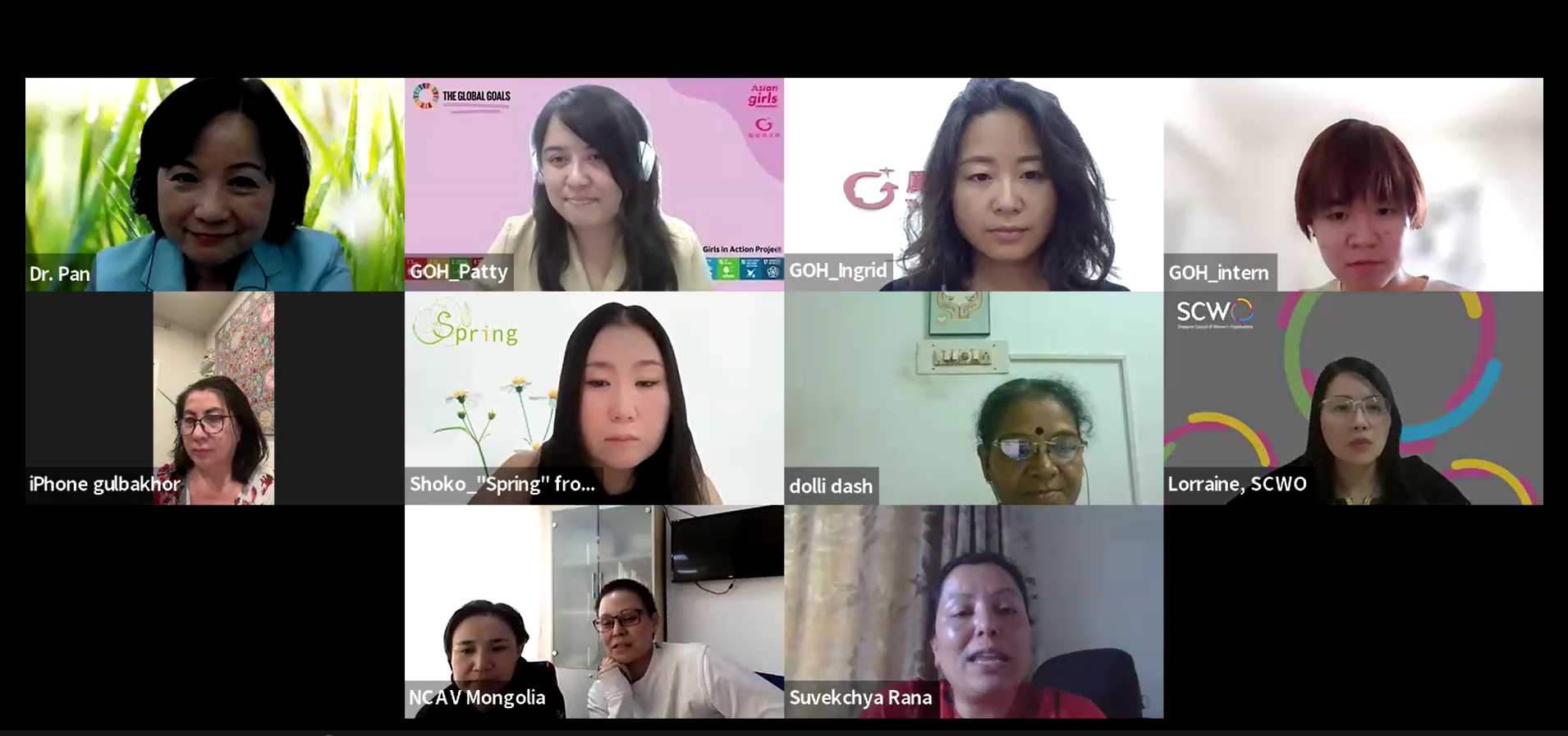
We are thrilled to share the success of the NGOCSW68 Parallel Event co-organized by 勵馨基金會 The Garden of Hope Foundation and the Asian Network of Women’s Shelters (ANWS): “Story of Economic Violence: Telling the Real Cases in Asian Shelters.”
This forum featured 7 speakers from six different organizations and countries, including:
6️⃣ Suvekchya Rana, Executive Director of Saathi, Nepal
We had a total of 160 registrations for this event, with 152 participants joining us online. Our audience comprised representatives from UN agencies, government officials, and shelter organizations from 37 different countries and regions in the world!
The forum focused on sharing experiences and insights into handling cases of economic violence in shelters across various countries. Despite the tight schedule, our audience remained highly engaged and expressed gratitude towards GOH and ANWS for co-hosting this insightful discussion. Special thanks to all the speakers and organizations who dedicated their support for the survivors and contributed to this incredible conversation!







 Asian Network of Women's Shelters